Application
Low-temperature experimental equipment
 info@innofj.comContact Engineering
LOW-TEMPERATURE MEASUREMENT CASE
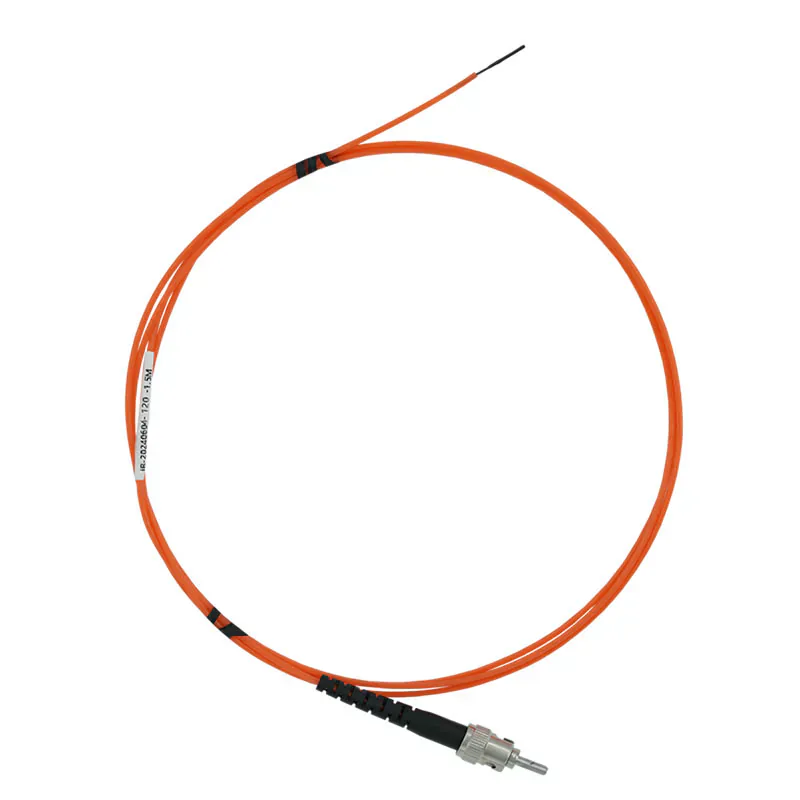
Fluorescence-based fiber optic probes were used for point temperature measurement in a very low-temperature experimental environment where compact, electrically isolated sensing was required.
Discuss Your Application →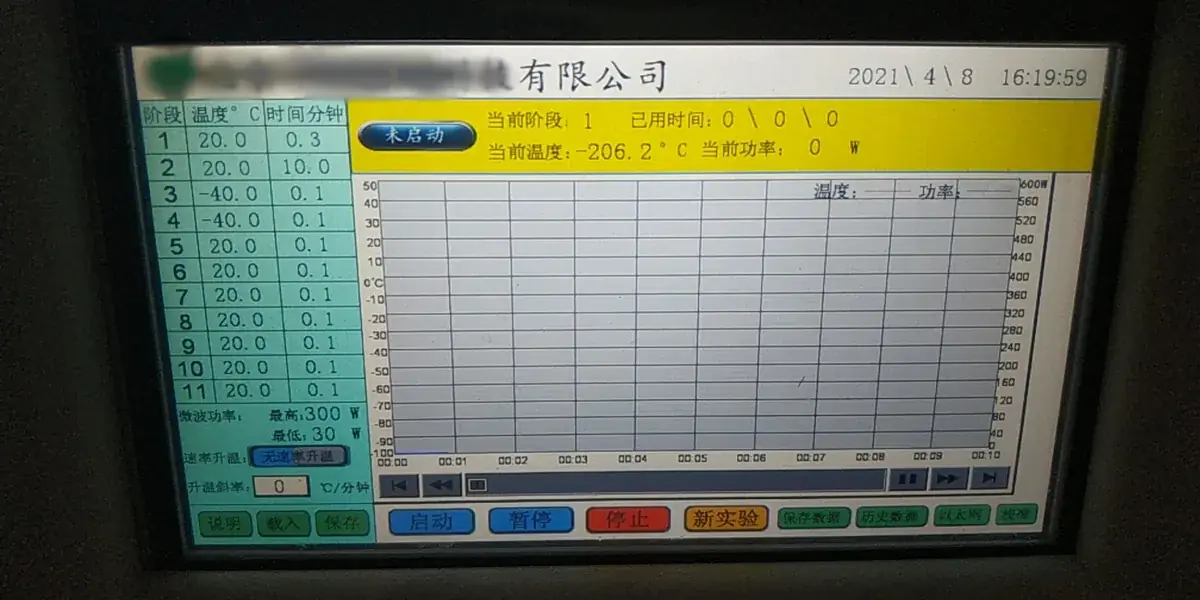
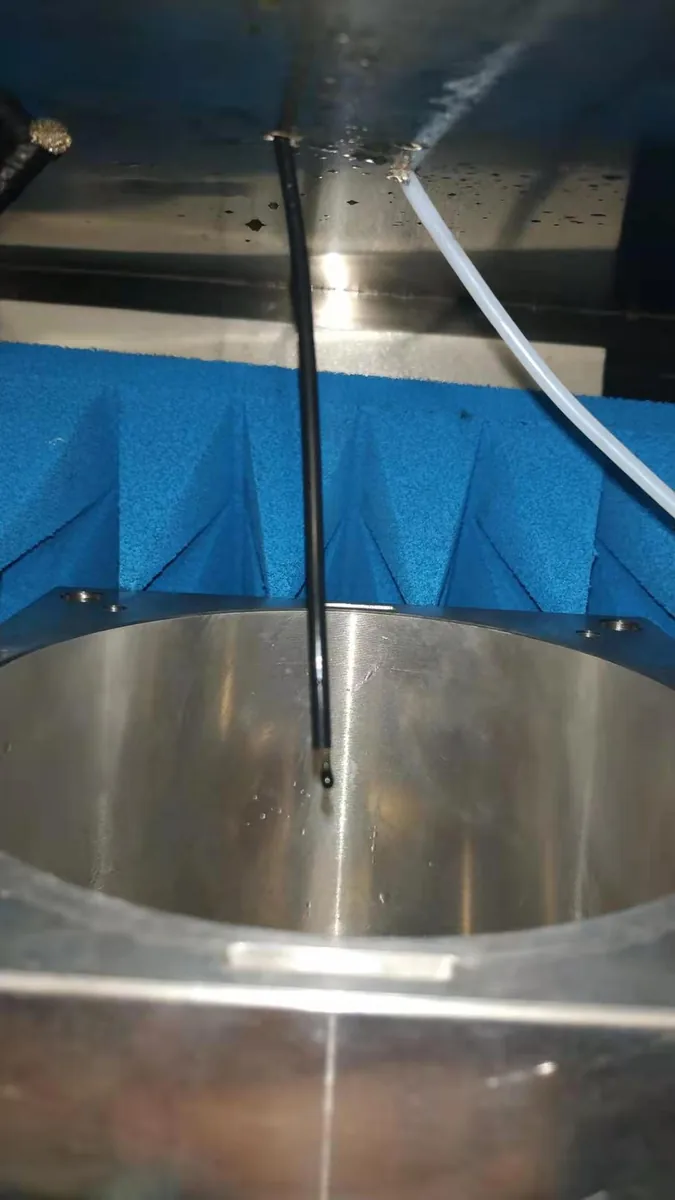
Low-temperature experimental equipment
Cryogenic and very low-temperature conditions
Selected low-temperature points
Fiber optic point temperature sensing
This project applied fluorescence-based fiber optic temperature sensing to selected measurement locations in a very low-temperature experimental setup.
Fiber optic probes were used to measure temperature at defined points, while optical fibers transmitted the sensing signals to external temperature monitoring equipment.
The arrangement provides compact point temperature measurement through an electrically isolated optical sensing path.
Very low-temperature experiments can require temperature measurement at small and defined locations where conventional electrical sensors may introduce wiring, isolation or installation constraints.
The project required direct point temperature measurement with a compact sensing element and an optical signal path.
Fiber optic temperature probes were therefore used to measure selected low-temperature locations while keeping the monitoring electronics outside the sensing area.
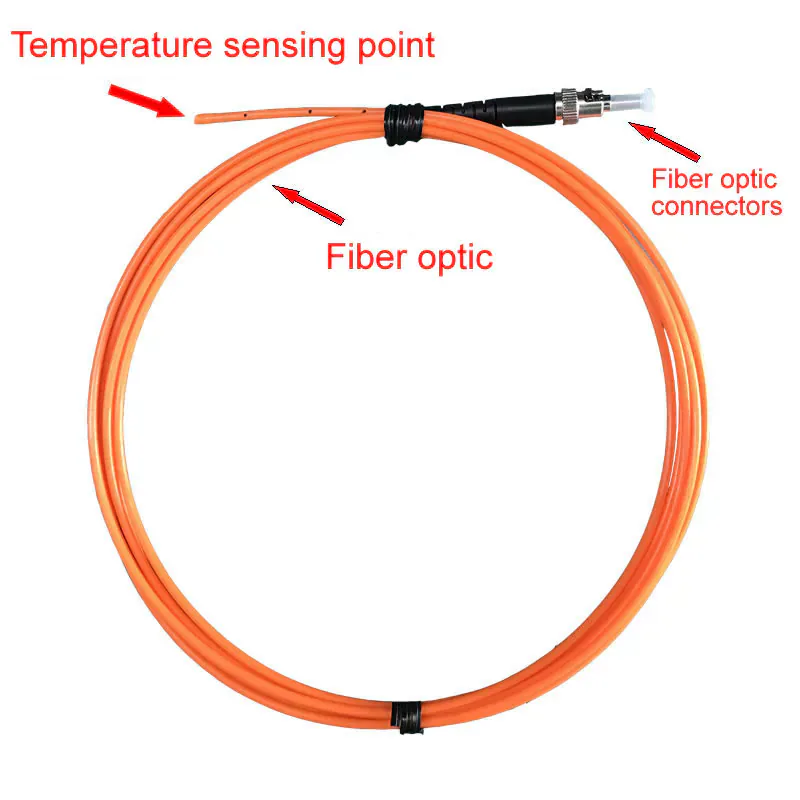
Fluorescence-based fiber optic probes measure temperature at defined sensing points in the low-temperature setup.
Each probe corresponds to an individual measurement location, allowing selected points to be monitored independently.
Optical fibers transfer the sensing signals between the probe locations and the external monitoring instrument without conductive electrical sensor wiring at the measurement points.
Probe type, fiber length and optical connection arrangement were selected according to the measurement location and low-temperature application requirements.
The optical path connects the sensing point to the external temperature monitoring equipment while allowing the measurement electronics to remain outside the low-temperature area.
Different probe structures and channel configurations can be selected according to the required measurement points and equipment layout.
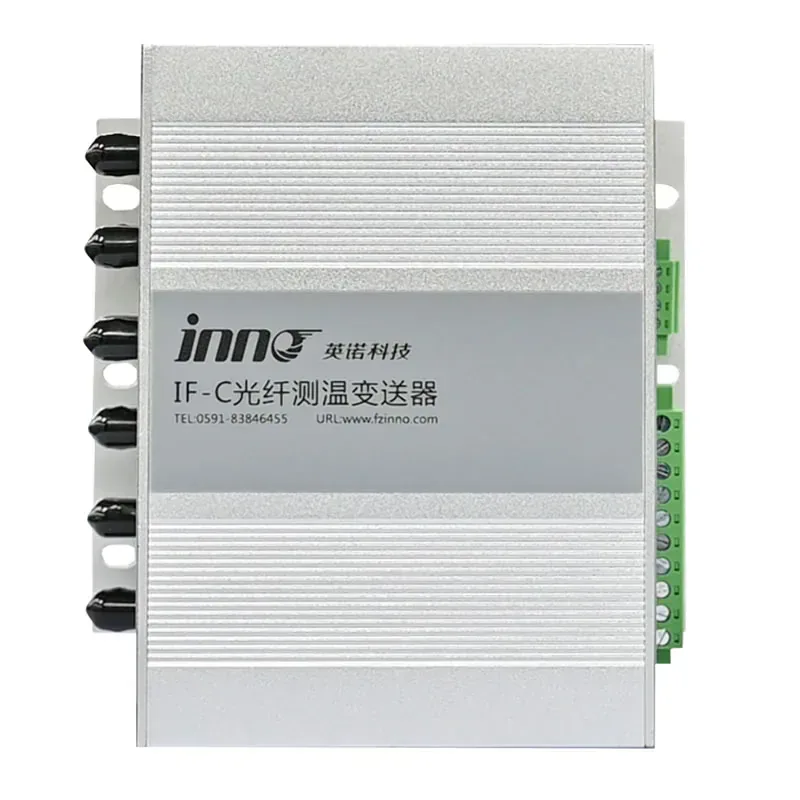
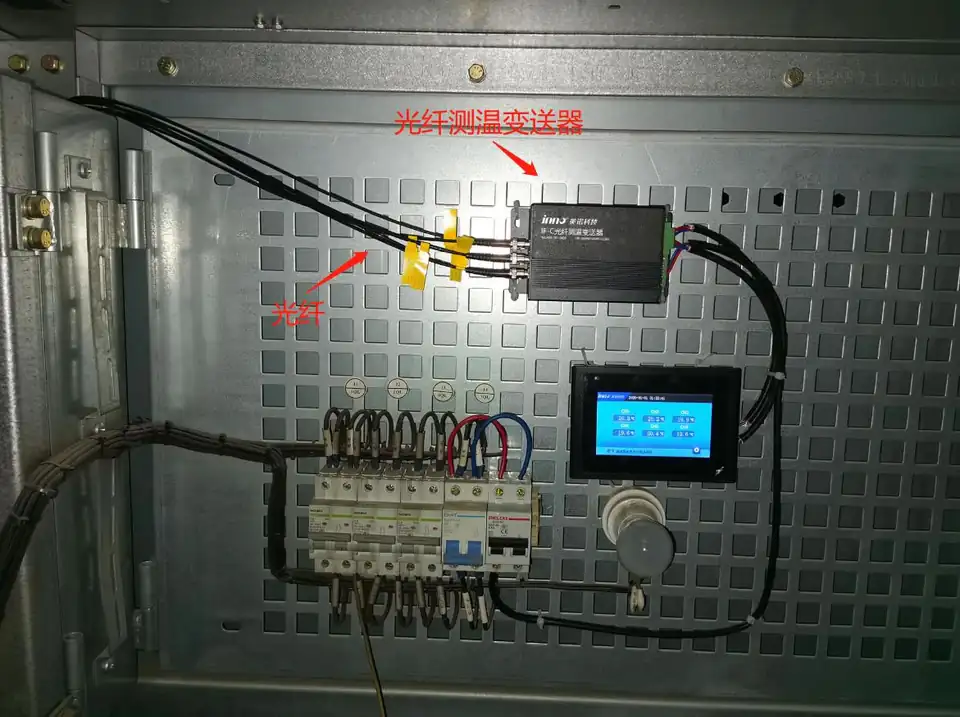
Signals from the installed fiber optic probes are collected by the external temperature monitoring instrument.
Individual measurement points can be assigned to separate optical channels so that temperatures at different low-temperature locations can be viewed independently.
For experimental setups requiring additional sensing points, the monitoring configuration can be expanded according to the required number of channels.
The completed arrangement provides direct fiber optic point temperature measurement at selected locations in a very low-temperature experimental environment.
Fiber optic probes, optical connections and external monitoring equipment form a complete measurement path from the low-temperature sensing points to the temperature acquisition interface.
This configuration provides a practical reference for cryogenic equipment, low-temperature experiments and other applications requiring compact, electrically isolated point temperature sensing.
Tell us your temperature range, sensing locations, fiber length and required measurement points. We can help select the appropriate fiber optic temperature sensing configuration.