

Fiber Optic Temperature
Monitoring for
Motors & Generators
Fiber optic temperature sensing provides direct, electrically isolated insight into selected hot spots in motors, generators and other rotating electrical machines.
What Is Fiber Optic Temperature Monitoring for Motors & Generators?
Fiber optic probes measure temperature at selected points inside motors and generators. The passive optical sensing path supports direct, continuous data without introducing conductive sensor wiring at the measurement point.
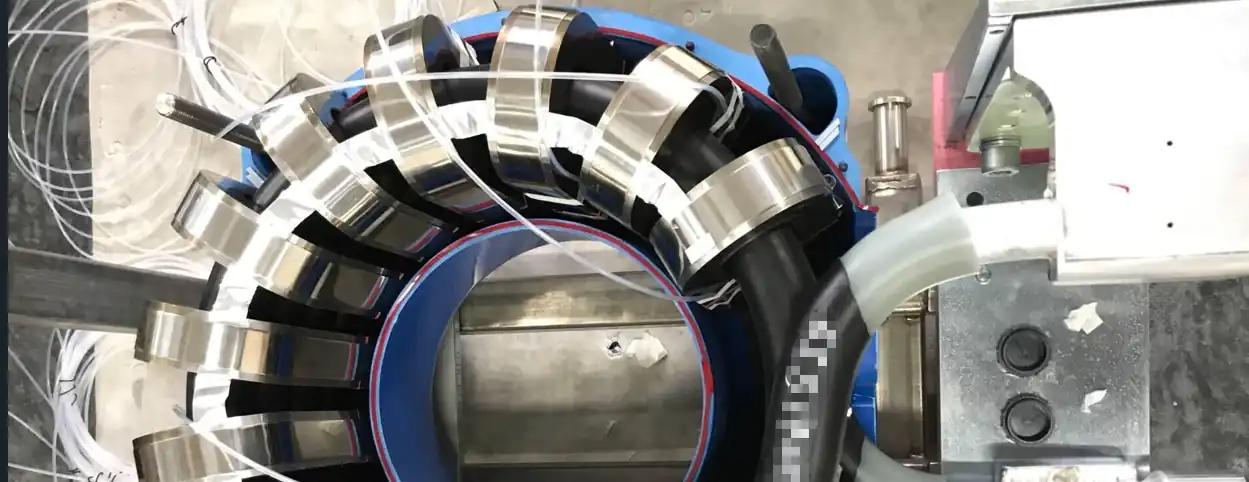
How Fiber Optic Temperature Sensors Work in Rotating Machines
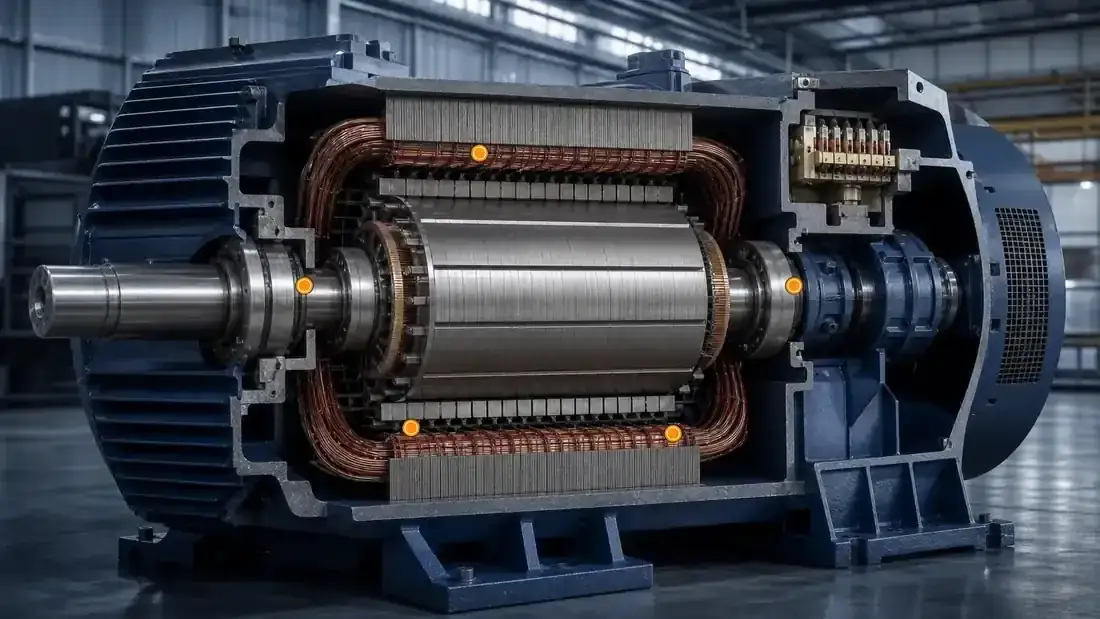
Optical measurement converts the temperature response at the probe tip into stable, real-time data.
A light signal travels through the fiber to the sensor at the measurement point. The returned fluorescence response changes with temperature, and the connected instrument calculates the temperature value.
- Passive optical sensing at the measurement point
- Direct and continuous temperature measurements
- Multiple independent points with centralized acquisition
Where Fiber Optic Temperature Monitoring Is Used in Motors & Generators
Monitor selected thermal-risk locations throughout rotating machines to support earlier identification of abnormal heating.
Typical reviewed points include:
- Stator windings
- Stator core
- End windings
- Busbars
- Terminal connections
- Rotor poles
- Slip rings
- Collector ring areas
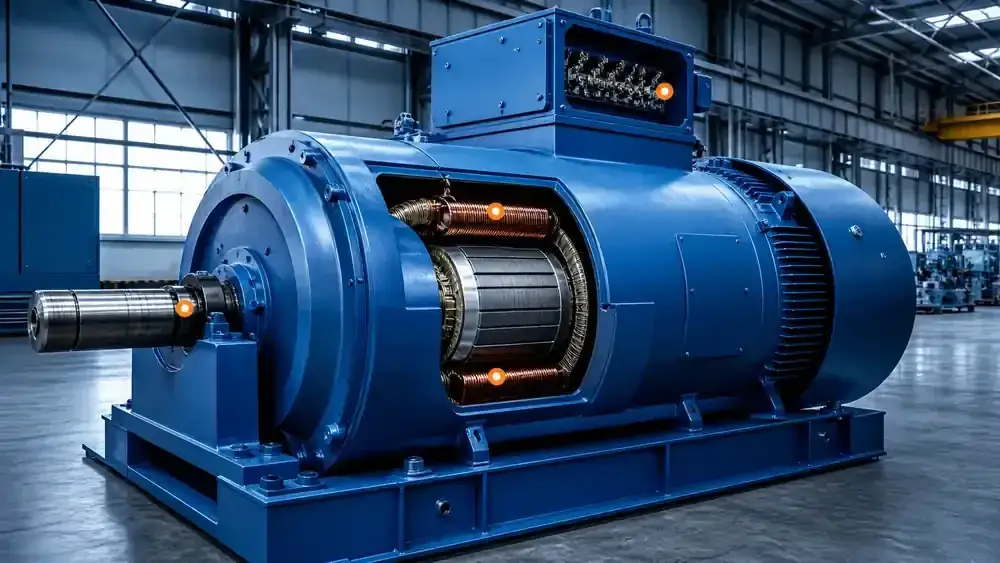
Suitable applications can include large motors, synchronous generators and other industrial or utility rotating equipment.
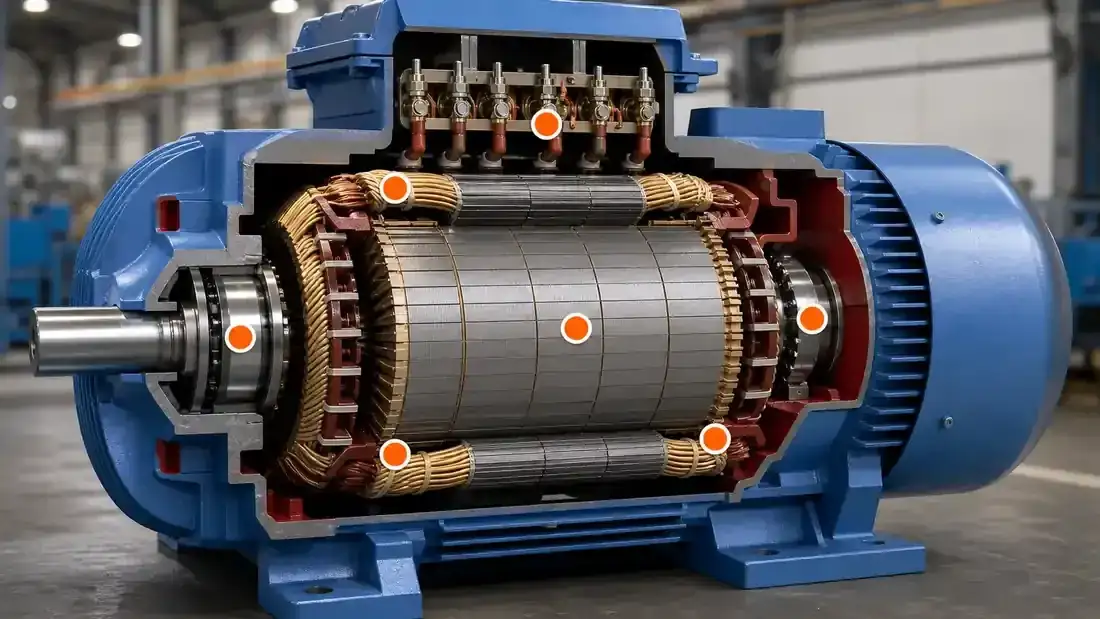 Stator WindingsStator CoreTerminal ConnectionsEnd WindingsBusbarsSlip Rings
Benefits of Fiber Optic Temperature Monitoring
Direct optical measurement supports reliable temperature visibility in demanding rotating-machine environments.
Direct Hot-Spot Insight
Measure selected winding, core and connection temperatures directly.
Electrically Isolated & Safe
Dielectric probes keep conductive measurement wiring away from sensing points.
EMI Immune & Reliable
Optical signal transmission resists interference from electrical equipment.
Maintenance Visibility
Continuous data supports trend review and planned maintenance.
INNO Fluorescence Fiber Optic Temperature Monitoring Characteristics
INNO probes and monitoring instruments can be configured around selected motor and generator locations without adding an electrical sensing path at the probe tip.
- Direct point measurement at reviewed locations
- Stable operation around high-voltage and high-EMI equipment
- Passive, non-conductive probe construction
- Configurable monitoring instruments and channel planning
- Compatible local display and industrial communication options
Generator and Motor Monitoring Applications
Review a monitoring system for synchronous machines, induction motors, generators and other rotating equipment.
Measurement points: stator windings, stator core, end windings, terminal connections, busbars and selected auxiliary locations.
Applications: power generation, industrial drives, processing equipment, marine systems, water facilities and renewable-energy equipment.
Recommended Fiber Optic Temperature Sensors & Monitoring Systems
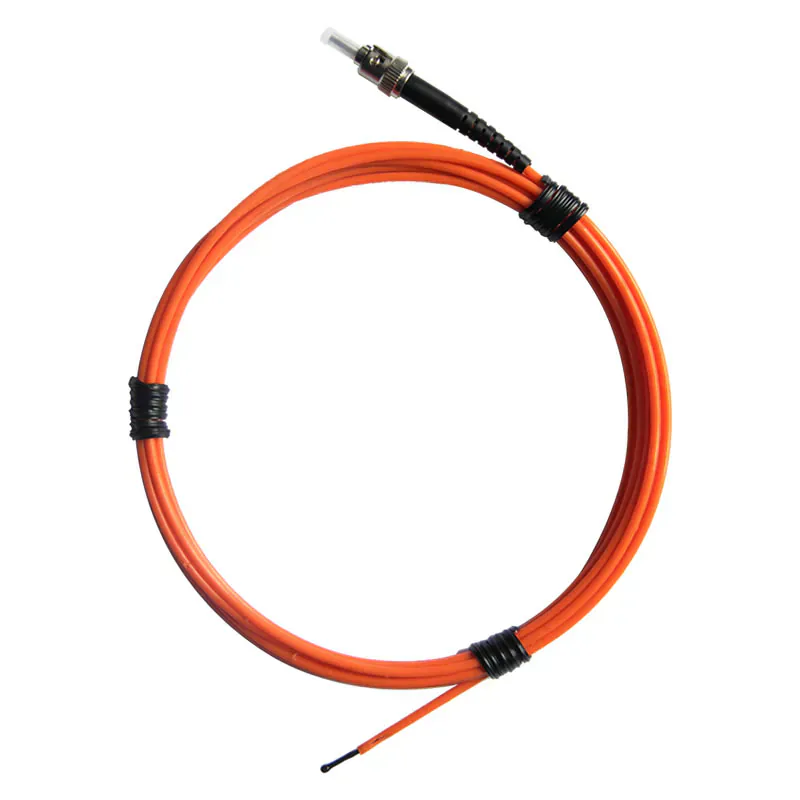
1. Fiber Optic Winding & Bearing Temperature Probes
Direct temperature measurement at selected winding, stator and bearing locations.
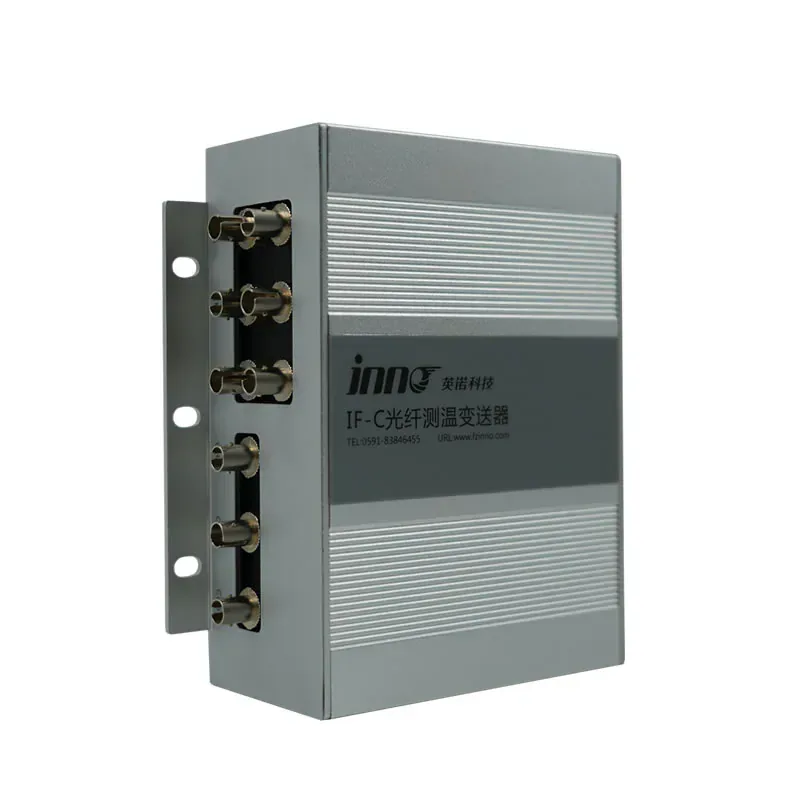
2. Multi-Channel Monitoring Hosts
Acquire several independent probes and deliver configured alarm or communication outputs.
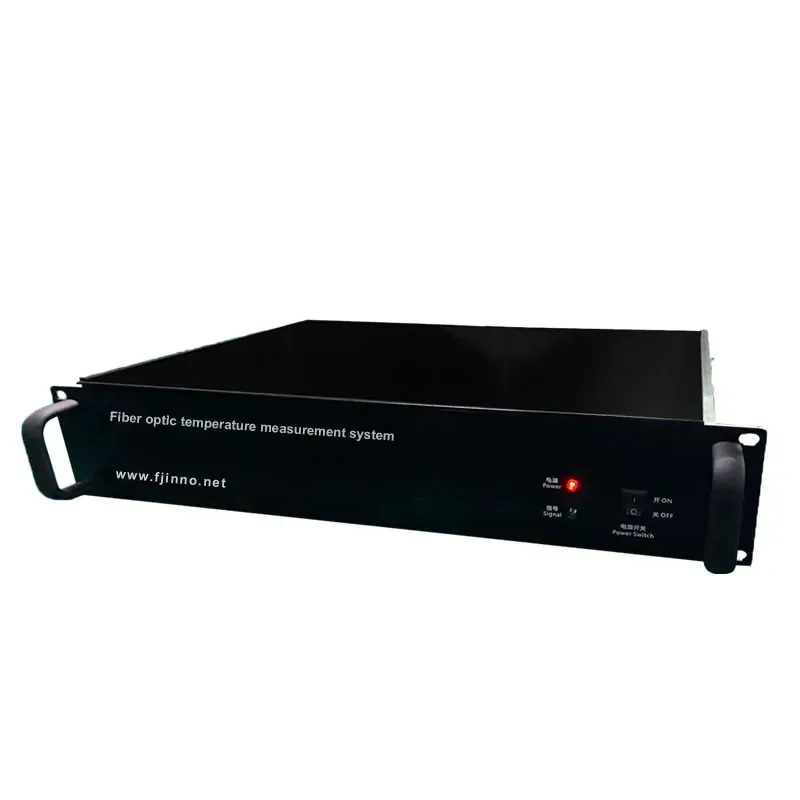
3. Generator Fiber Optic Temperature Monitoring Host
Convert optical signals into usable temperature values for compatible systems.
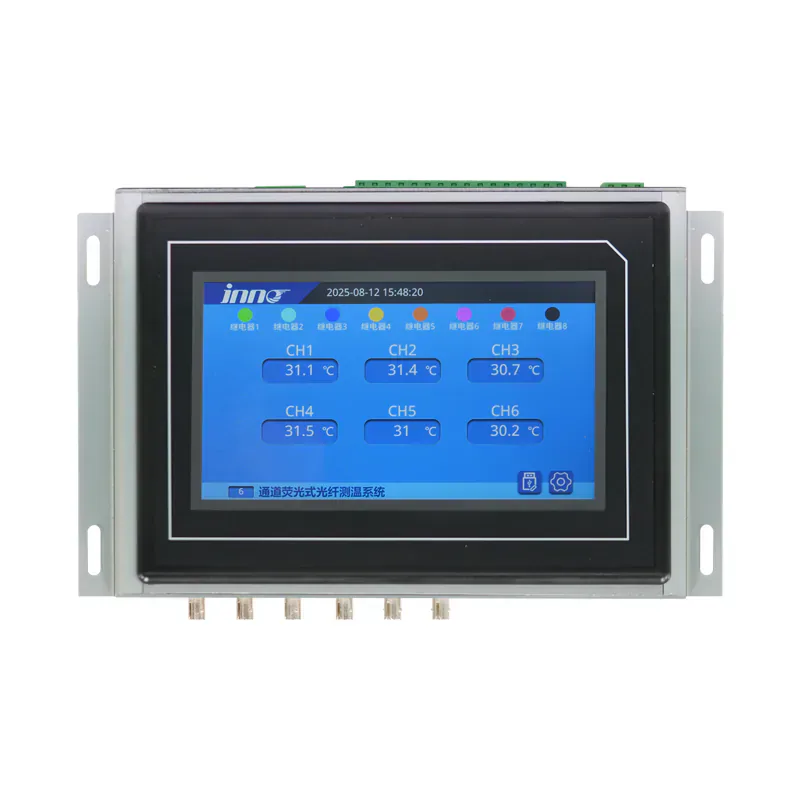
4. Temperature Monitoring & System Integration
Combine temperature display, alarms, data acquisition and communication with existing monitoring systems.
Motor & Generator Temperature Monitoring Configuration
Application Configuration
Define measurement points, probe type and installation requirements.
Channel Configuration
Configure channel count, alarms and communication interfaces.
OEM & Equipment Integration
Integrate probes, modules and monitoring devices into customer equipment.
PLC / SCADA Integration
Connect temperature data and alarms through standard communication interfaces.
Frequently Asked Questions
What can be measured in motors and generators?⌄
Typical reviewed points include stator windings, end windings, stator cores, terminal connections, busbars and other locations where direct temperature visibility is required.
How does fluorescence fiber optic temperature monitoring work?⌄
A light signal travels through the optical fiber to the sensing tip. The returned fluorescence response changes with temperature and is interpreted by the connected instrument.
Where can probes be installed in rotating machines?⌄
Probe placement depends on machine construction and access. Locations can be reviewed around windings, cores, connections, slip-ring areas and other stationary measurement points.
Can the monitoring system connect to PLC or SCADA platforms?⌄
Compatible instruments can provide reviewed communication or analog outputs. Required protocols, point mapping and alarm behavior should be confirmed for the project.
Why use fiber optic probes in high-EMI environments?⌄
Their dielectric construction and optical signal path avoid conductive sensing wiring at the measurement point and resist electromagnetic interference.
Can the system support multiple monitoring points?⌄
Multi-channel instruments are available for independent point measurements. The appropriate channel count depends on the machine layout and monitoring objectives.
Can this approach be used for retrofit projects?⌄
Yes, when suitable measurement locations and safe fiber-routing paths are available. Existing equipment and interfaces should be reviewed before configuration.
Need Help With Your Motor or Generator Application?
Share the machine type, monitoring locations and required outputs so our engineers can review an appropriate sensing approach.
Application Review
Sensor Selection
System Design
Integration Support
Fiber Optic Temperature Monitoring for Critical Motors and Generators
Discuss the measurement points, channel count and system interfaces with an INNO engineer.