
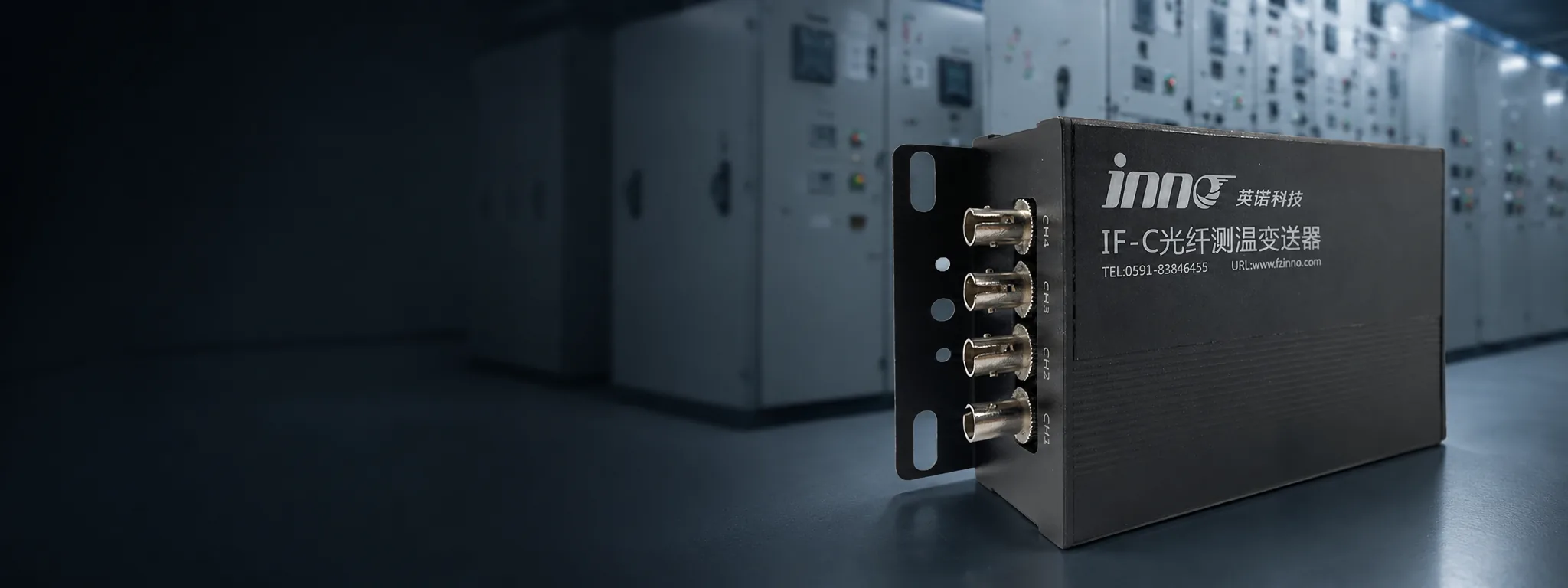
SWITCHGEAR MONITORING SOLUTIONS
Switchgear Temperature Monitoring
Direct temperature monitoring for busbars, cable joints, breaker compartments and medium-voltage switchgear cabinets—supporting earlier fault detection, reliable operation and safer maintenance decisions.
WHY IT MATTERS
Why Real-Time Switchgear Monitoring Matters
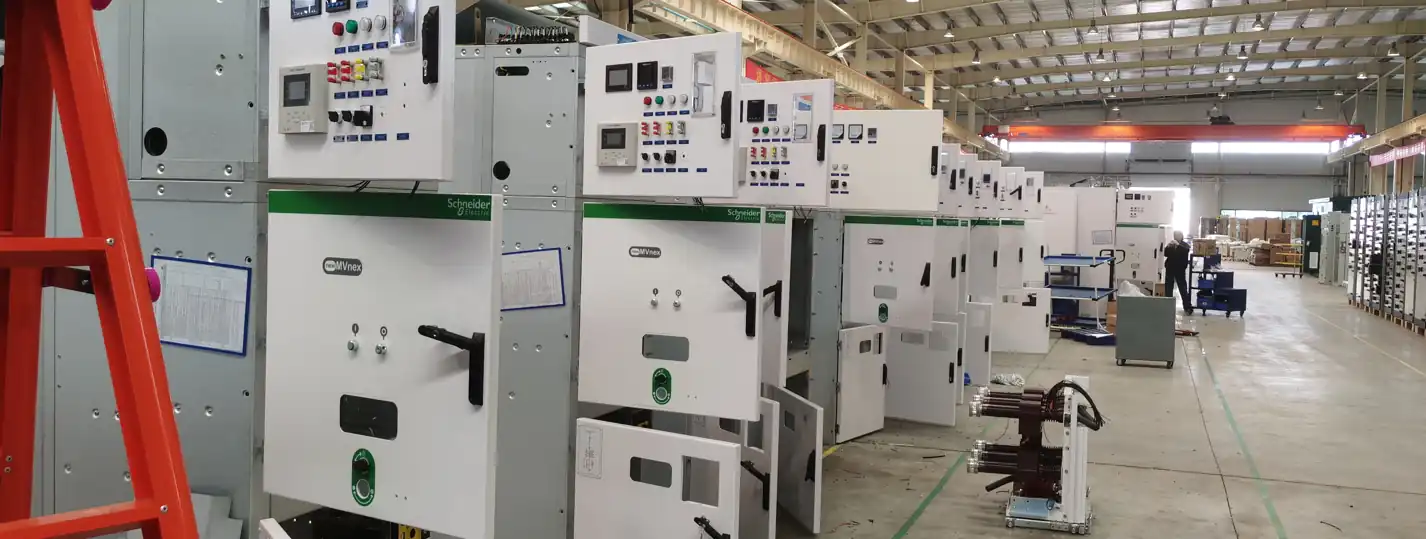
Hidden heat in busbar joints, cable terminations and breaker compartments can contribute to insulation deterioration and unexpected downtime. Periodic inspections may not show how temperatures change during actual electrical loading.
Fiber optic sensing provides direct, electrically isolated temperature data at selected locations inside the switchgear.
APPLICATIONS THAT MATTER
Where Fiber Optic Switchgear Monitoring Delivers Value
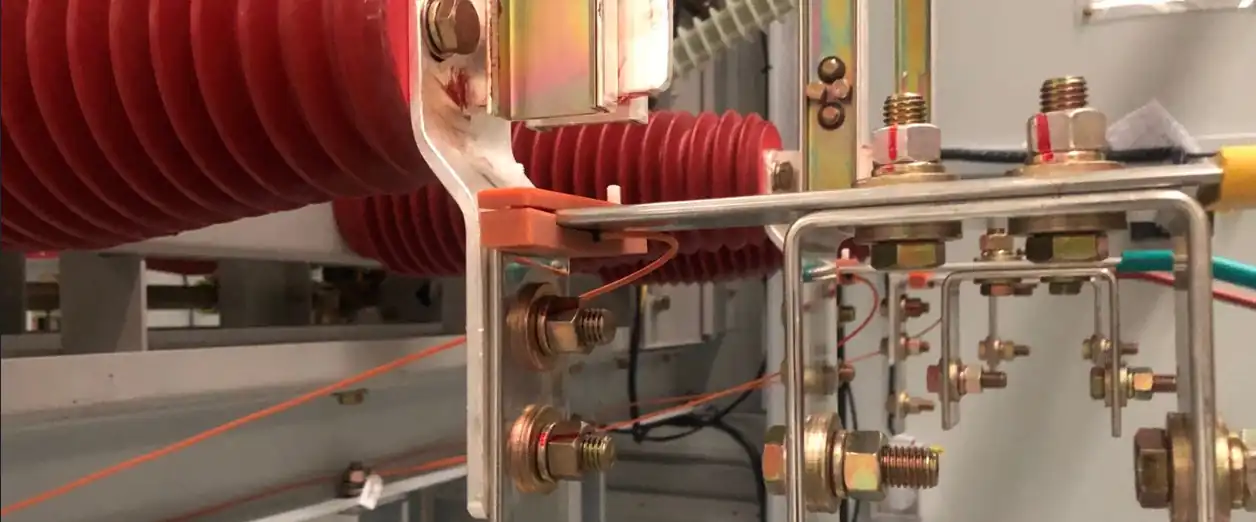
Busbar Temperature Monitoring
Observe selected busbar joints and bolted connections to identify developing temperature rise during operation.
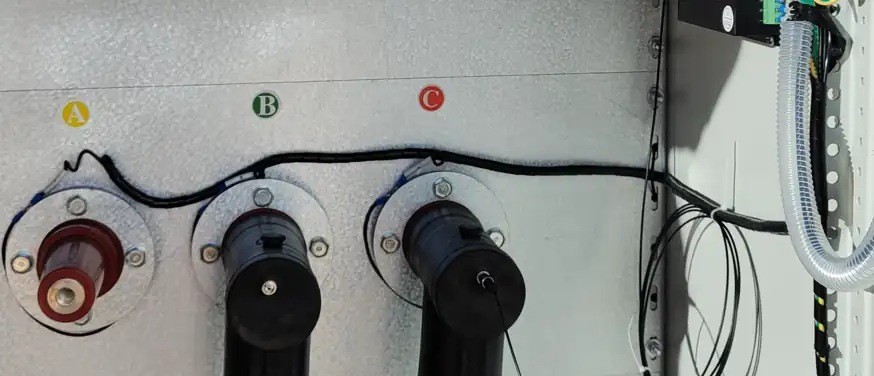
Cable Joint Monitoring
Track cable terminations and joints to support earlier identification of loose connections, insulation stress and abnormal loading.
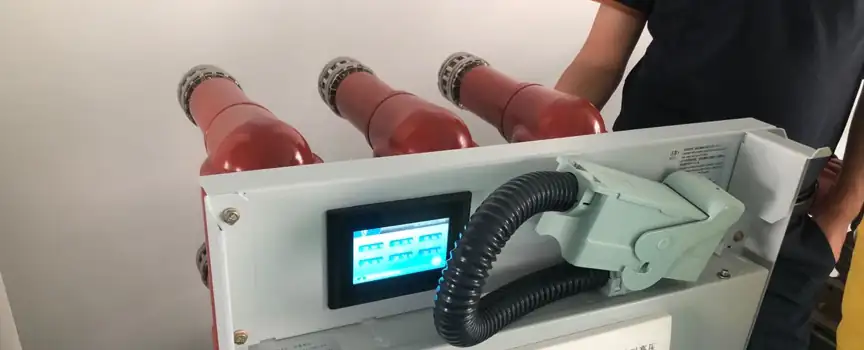
Breaker & Switchgear Panel Monitoring
Monitor selected breaker contacts, switch points and internal connections for direct temperature visibility.
APPLICATIONS WE SERVE
Built for Utilities, Data Centers and Industrial Facilities
Utilities & Substations
Monitor reviewed switchgear, busbar and cable locations across utility facilities.
Data Centers
Support temperature visibility around critical power-distribution switchgear.

Manufacturing / Process Plants
Monitor selected energized connections in demanding industrial environments.
CRITICAL MONITORING POINTS
Critical Monitoring Points in Medium-Voltage Switchgear
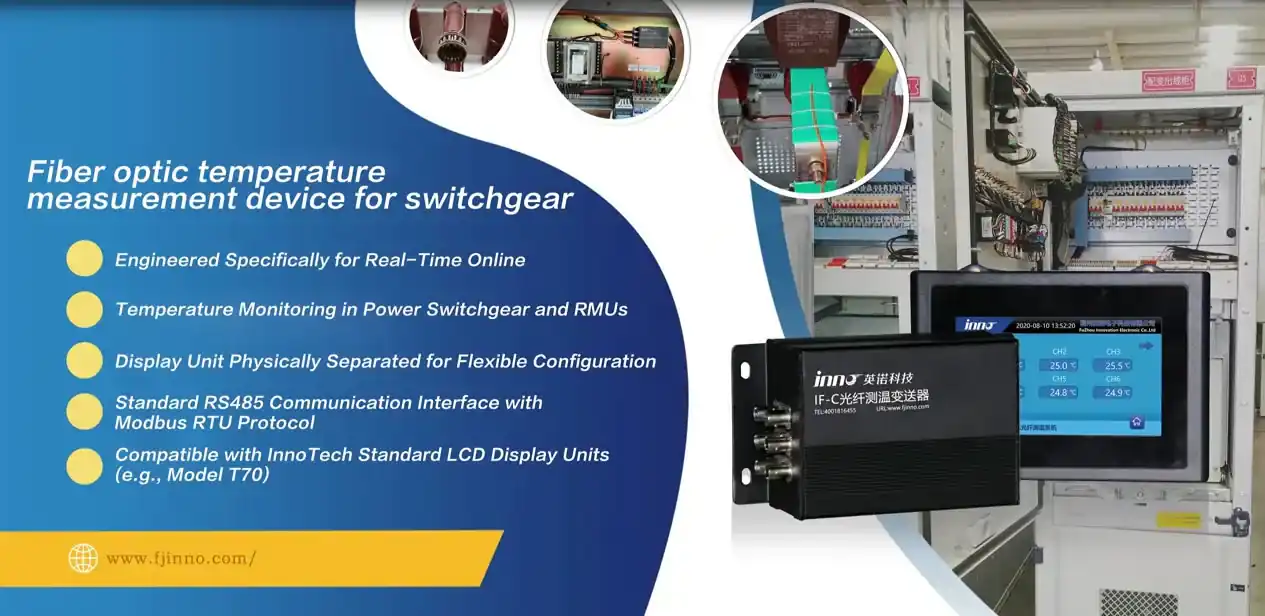
Monitor busbar joints, cable terminations, breaker compartments, cable compartments, contact points and panel interiors to identify temperature rise at the locations that matter.
Continuous visibility at reviewed points supports planned inspection, maintenance and operating decisions.
BUILT FOR REAL-WORLD CONDITIONS
Designed for Electrically Noisy and Space-Limited Installations
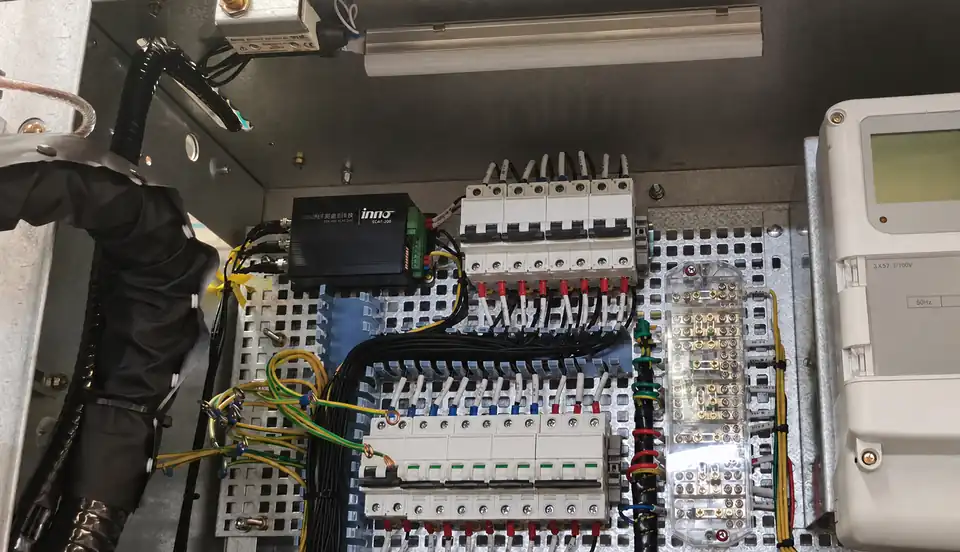
Fiber optic probes are dielectric and resistant to EMI, making them suitable for measurement near energized equipment and heavy switching.
Thin optical fiber can be routed through reviewed spaces and existing conduits when the cabinet design permits.
RETROFIT-FRIENDLY MONITORING
Temperature Monitoring for Existing Switchgear Fleets
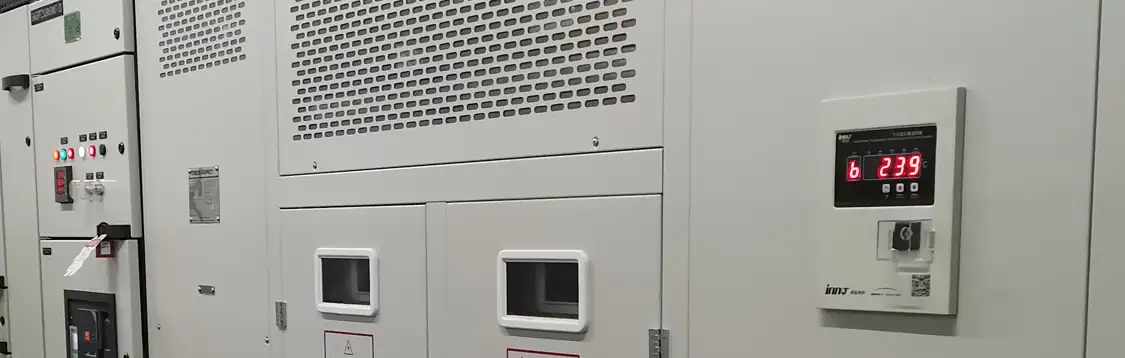
Non-Intrusive Installation for Existing Assets
Review a retrofit around the accessible sensing locations, cabinet layout and required plant outputs without replacing compatible installed assets.
SYSTEM INTEGRATION
Connect Temperature Data to Your Critical Systems
Defined Data Paths for Operations
Connect the monitoring host to a compatible HMI, alarm system, PLC or SCADA platform using reviewed outputs and communication protocols.

RECOMMENDED BUILDING BLOCKS
Building Blocks for a Switchgear Monitoring System
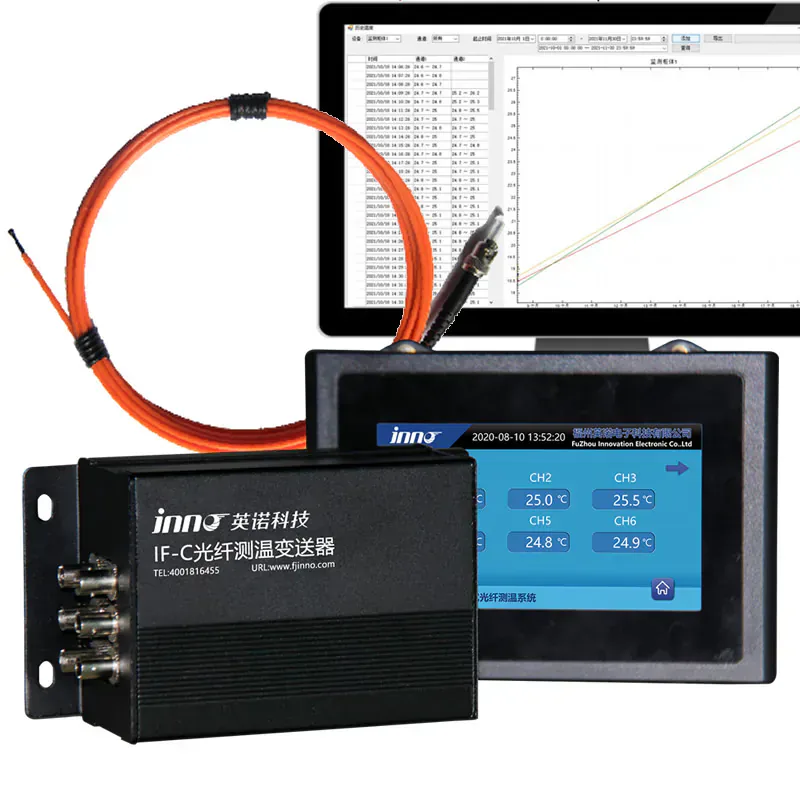
Fiber Optic Probes
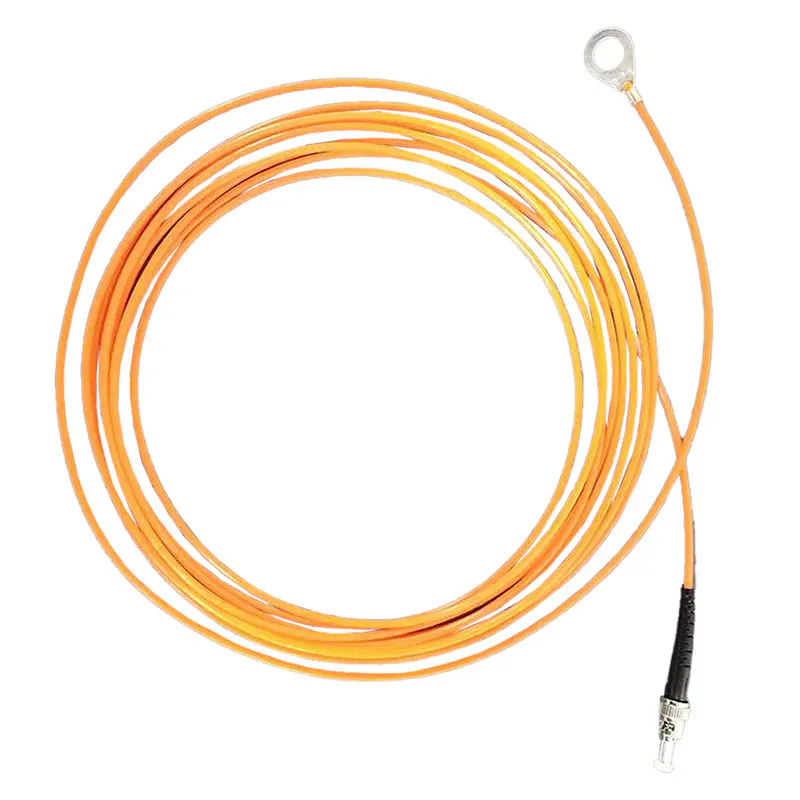
Passive optical probes for direct point measurement.
Monitoring Host
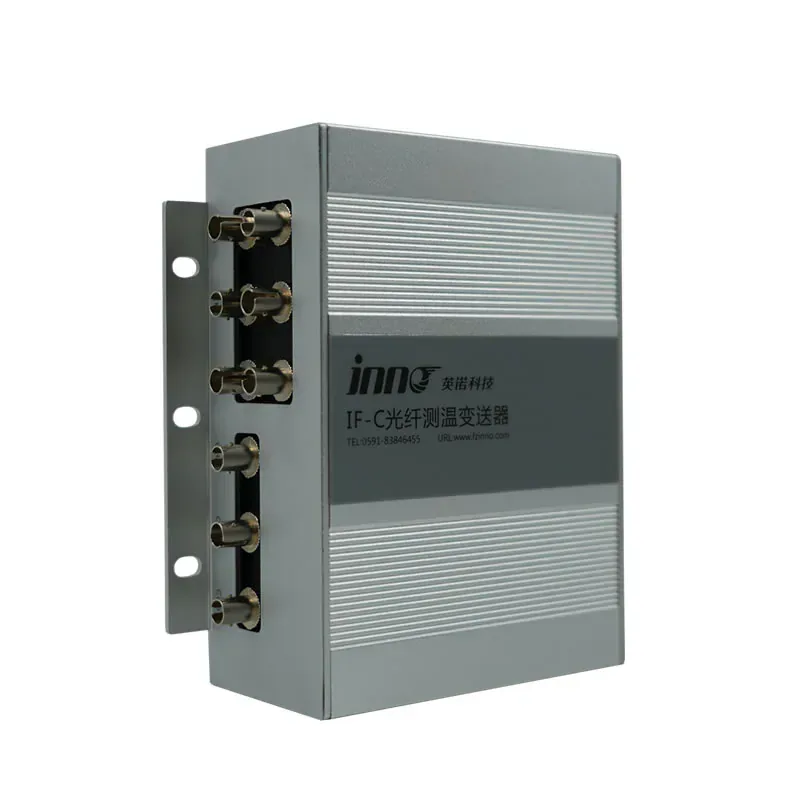
Acquires multiple probe channels and provides reviewed outputs.
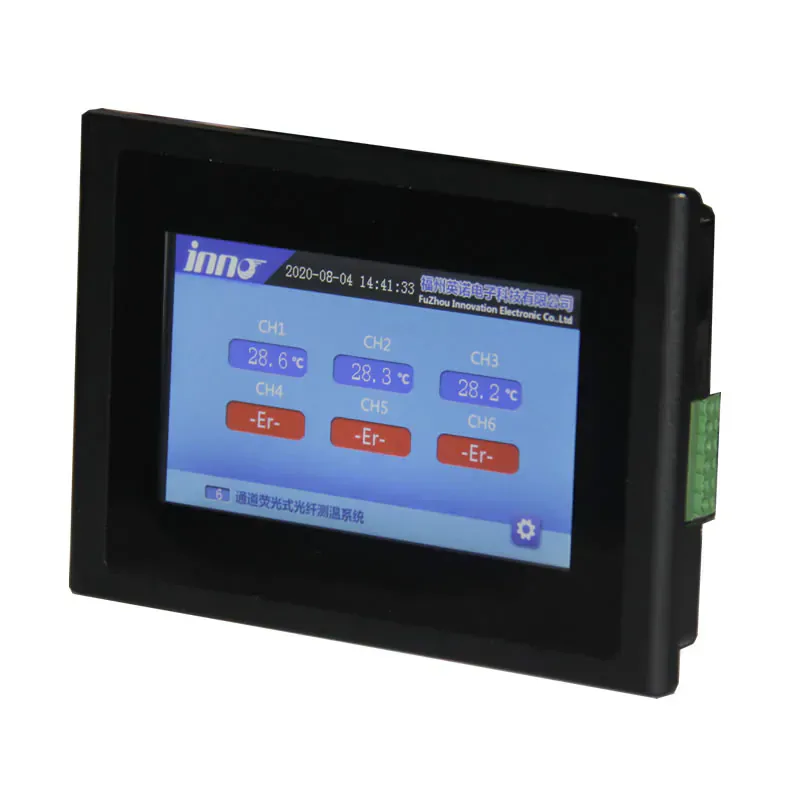
Local Display
Displays temperatures, alarms and trends near the equipment.
System Integration
Coordinates temperature data with compatible plant platforms.
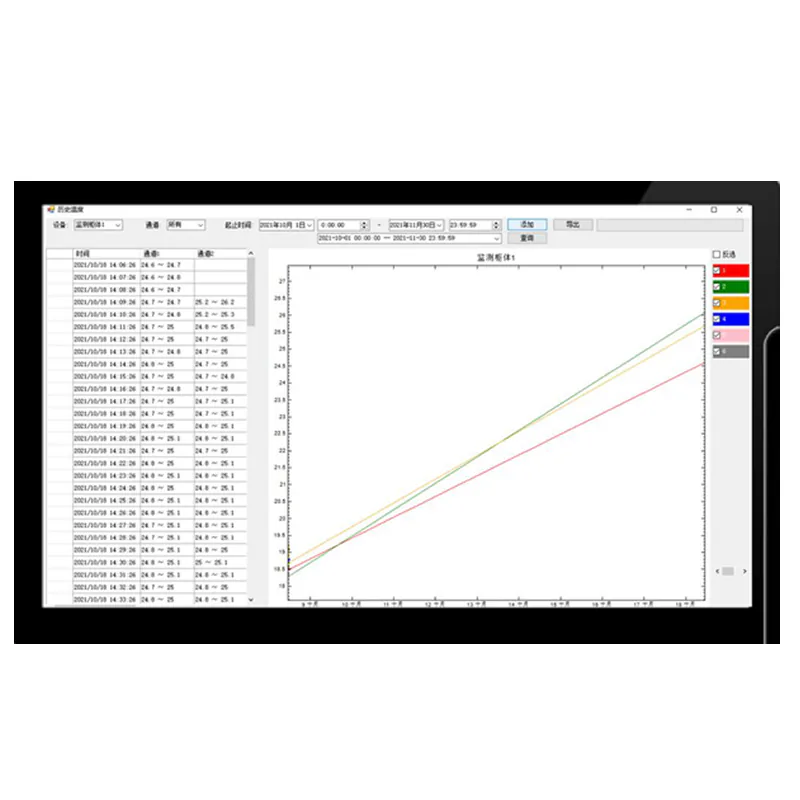
Application Monitoring
Supports centralized review of values, alarms and records.
WHY ENGINEERS CHOOSE INNO
Why Engineers Choose INNO for Switchgear Monitoring
Application-Focused Engineering
Review the actual switchgear, locations and system requirements before configuration.
Dependable Fiber Optic Sensing
Use dielectric probes and optical signal transmission around demanding electrical environments.
Built for Retrofit Projects
Coordinate compact probes, routing and compatible monitoring hardware with installed assets.
Integration-Ready Solutions
Prepare reviewed outputs for local displays, alarms, PLCs or SCADA platforms.
GET STARTED
Tell Us About Your Switchgear Monitoring Project
Share the switchgear type, sensing points and required outputs. Our engineers will review a suitable temperature-monitoring approach.
- Switchgear type and voltage class
- Target components and locations
- Number of sensing points
- Preferred display, alarm or communication output
- Installation and routing constraints
FAQS
Switchgear Monitoring FAQs
Where can fiber optic probes be used in switchgear?+
Typical reviewed locations include busbar joints, cable terminations, breaker contacts, cable compartments and other selected connection points where abnormal heating may develop.
Why use fiber optic sensing around energized equipment?+
The passive optical sensing path is dielectric and resistant to electromagnetic interference, keeping conductive sensor wiring away from the measurement point.
Can the monitoring system be added to existing switchgear?+
Yes. Retrofit suitability depends on available installation space, access to the required sensing points, fiber routing and the existing alarm or control architecture.
Can temperature data connect to a PLC or SCADA system?+
Compatible monitoring hosts can provide reviewed industrial outputs or communication interfaces. Protocols, point names and alarm behavior should be confirmed during project review.
What project information should we provide?+
Share the switchgear type, voltage class, target components, number of points, expected temperature range, routing distance and required local or plant-level outputs.
Is this suitable for industrial and utility applications?+
Fiber optic temperature monitoring can support utility, data-center and industrial switchgear applications where electrically isolated point measurement is required.
Monitor Critical Switchgear Connections
Review the sensing locations, instrument and plant outputs with an INNO application engineer.