
APPLICATIONS/INDUSTRIAL TEMPERATURE MONITORING
Industrial Temperature
Monitoring Systems
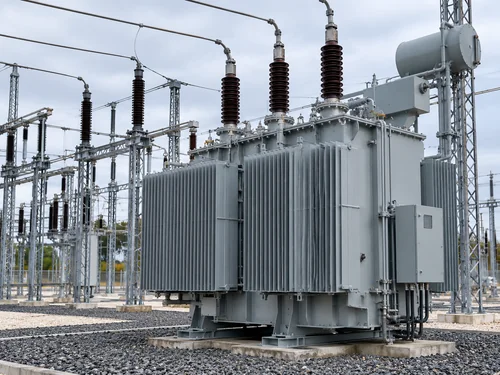
Point temperature monitoring for transformers, switchgear, rotating equipment,
test systems and electrically demanding industrial environments.
- Point Temperature Measurement
- High-Voltage Applications
- Multi-Point Monitoring
- PLC / SCADA Integration
What Is an Industrial Temperature
Monitoring System?
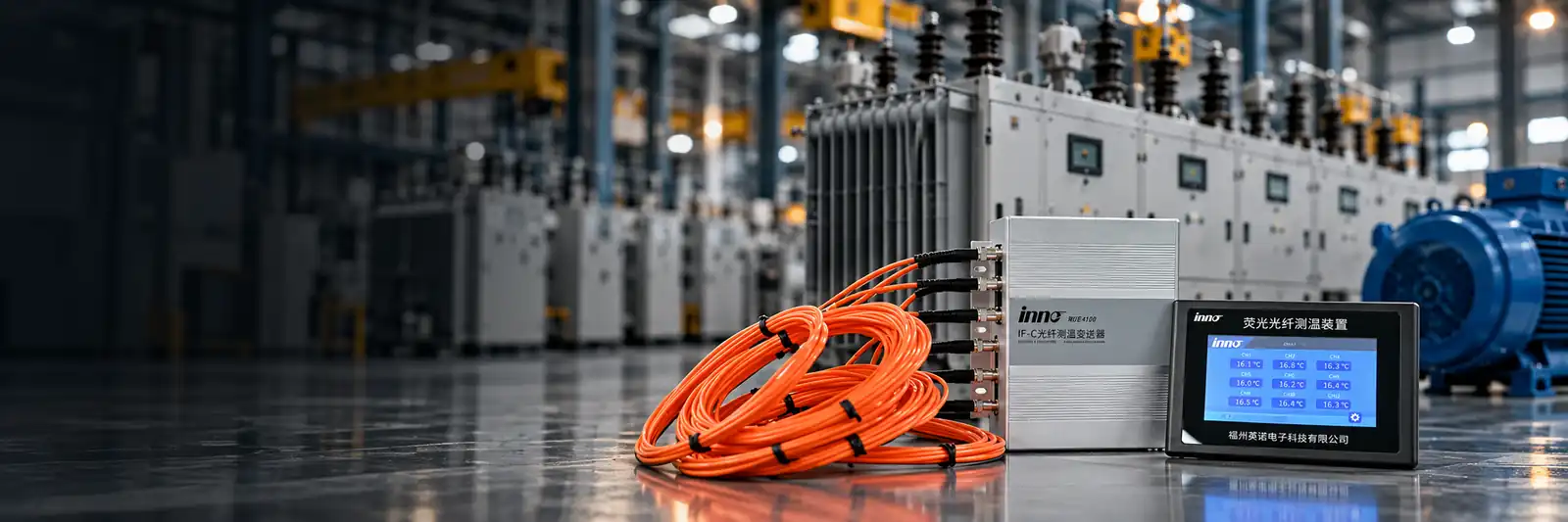
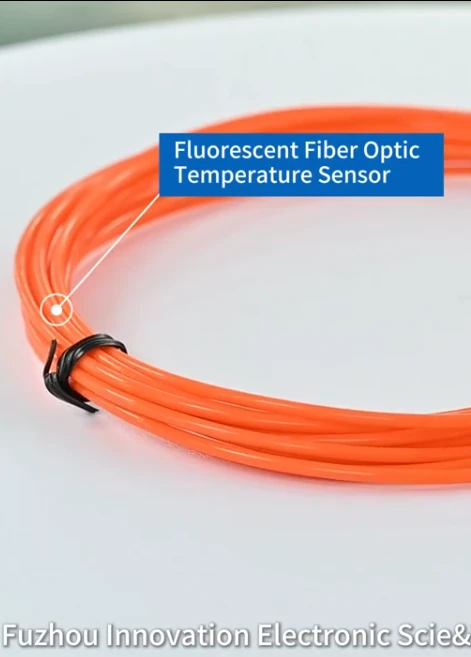
An industrial temperature monitoring system uses fiber optic temperature sensors to measure selected points in industrial equipment and processes, and a monitoring instrument to acquire, display, alarm and transmit the data to a control system.
- Measures multiple temperature points in harsh environments
- Electrically isolated with high resistance to EMI and RFI
- Supports real-time monitoring, alarm and data communication
- Used in transformers, switchgear, motors, test systems and more
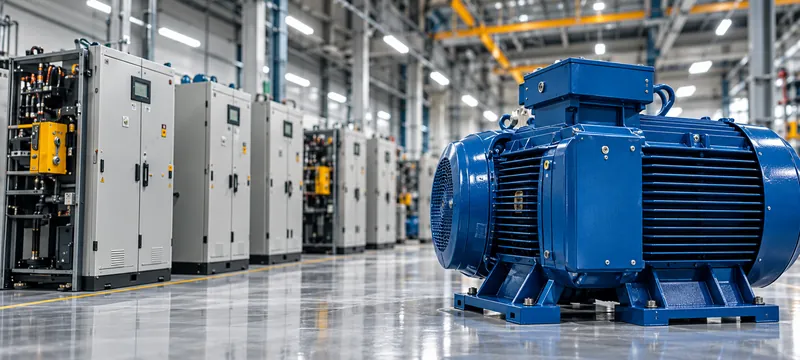
Where Industrial Temperature Monitoring Is Used
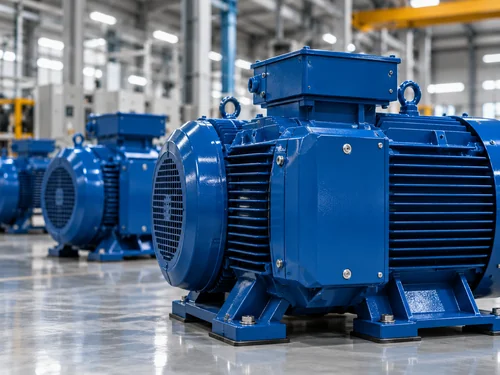
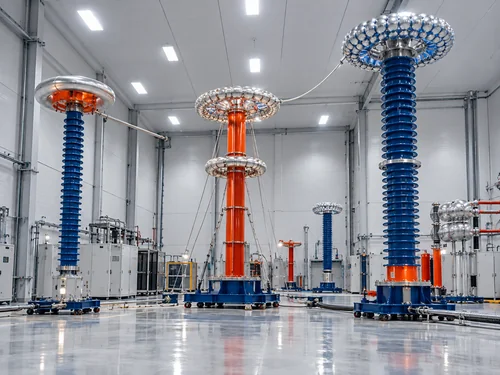
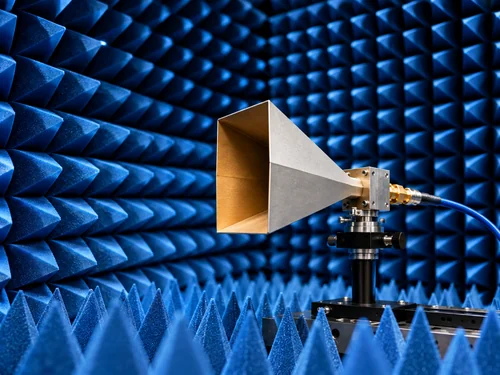
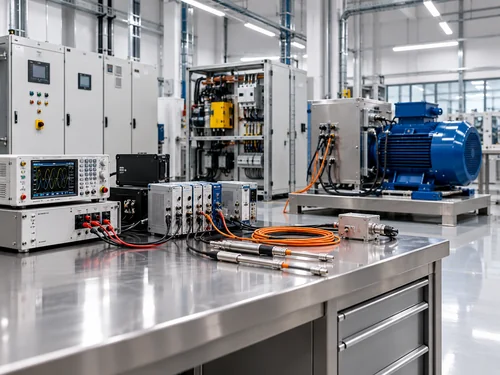
Suitable for high-voltage, high-current, strong electromagnetic field and other demanding industrial environments.
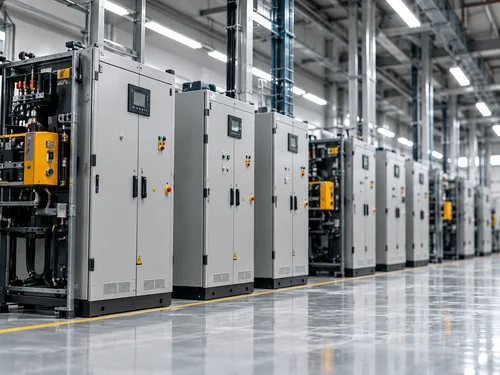
Choosing the Temperature Measurement Method
Different sensor technologies are suitable for different industrial environments. The right choice depends on electrical environment, installation conditions and measurement objectives.
| Method | Best Fit | Main Limitation |
|---|---|---|
| RTD (e.g. PT100) | Conventional industrial measurement | Conductive electrical connection |
| Thermocouple | Wide industrial use | Electrical / EMI considerations |
| Infrared Sensor | Surface temperature measurement | No internal contact measurement |
| Fiber Optic Sensor | High voltage, strong EMI, electrically isolated point measurement | Requires probe access to selected point |
Industrial Temperature Monitoring System Architecture
From sensing points to plant integration, a typical system includes the following elements.
1. Measurement Points
Define the locations and number of temperature points.
2. Sensors / Probes
Select probe type and structure for the environment.
3. Monitoring Instrument
Multi-channel acquisition, display, alarms and data output.
4. Plant Integration
Connect to PLC, SCADA or other control systems.
How Configuration Changes by Application
The system configuration varies depending on equipment type, operating environment and monitoring requirements.
| Application | Measurement Challenge | Typical Approach | Key Configuration Question |
|---|---|---|---|
| Transformer | Internal winding points | Embedded fiber optic probes | Which locations need direct measurement? |
| Switchgear | Current-carrying connections | Point temperature monitoring | How many joints or phases? |
| Motor / Generator | Internal winding locations | Embedded sensors | Sensor placement and fiber routing? |
| Microwave / RF | Strong electromagnetic environment | Fiber optic point sensing | Probe structure and fiber routing? |
| Test Equipment | Many independent points | Multi-channel system | How many simultaneous channels? |
| Industrial Process | High temperature or EMI | Customized probes and system | Measurement range and installation constraints? |
Plan Temperature Monitoring for Your Industrial Equipment
Share your equipment, measurement points, temperature range and required control-system interfaces with our engineering team.