info@innofj.comContact Engineering
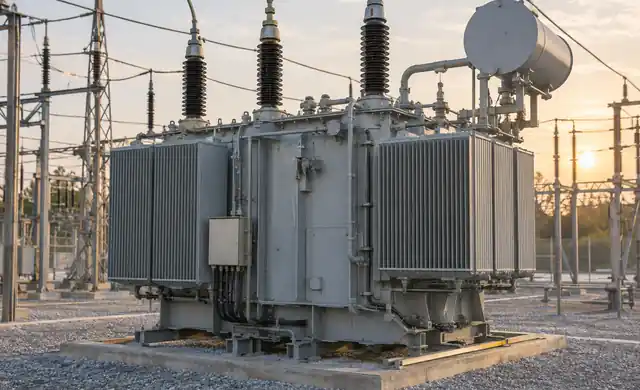
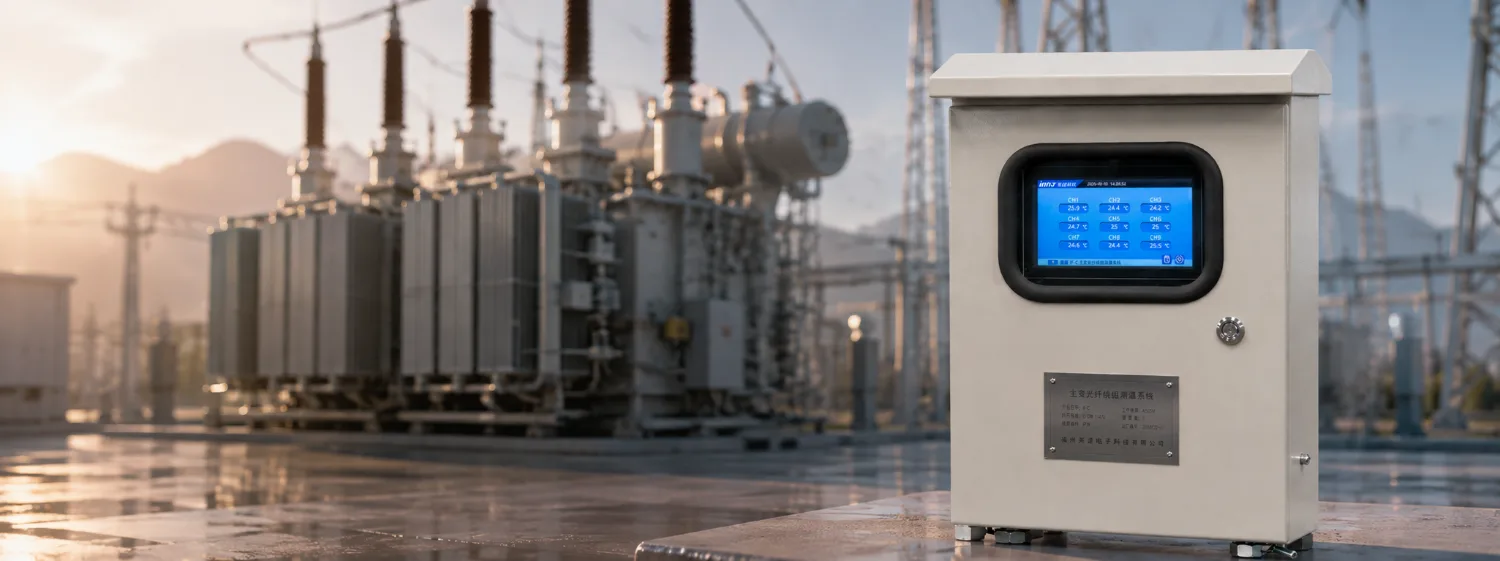
Power transformer monitored with fiber optic temperature sensing

Applications Transformers

Fiber Optic Temperature
Monitoring for Transformers

INNO provides transformer temperature monitoring for windings and other critical locations. Transformer winding temperature monitoring uses a fiber optic transformer winding temperature sensor to capture direct, electrically isolated data. A complete transformer temperature monitoring system can connect those points to alarms, displays and plant interfaces.

Direct Hot-Spot Insight
Electrical Isolation
EMI Immunity
Long-Term Reliability

ENGINEERED FOR RELIABILITY

Transformer Temperature Monitoring for Windings and Hot Spots

Fiber optic temperature sensing supports different transformer types, project stages and monitoring requirements.

Oil-Immersed Transformer Winding Hot-Spot Monitoring

Oil-Immersed Transformer Winding Hot-Spot Monitoring

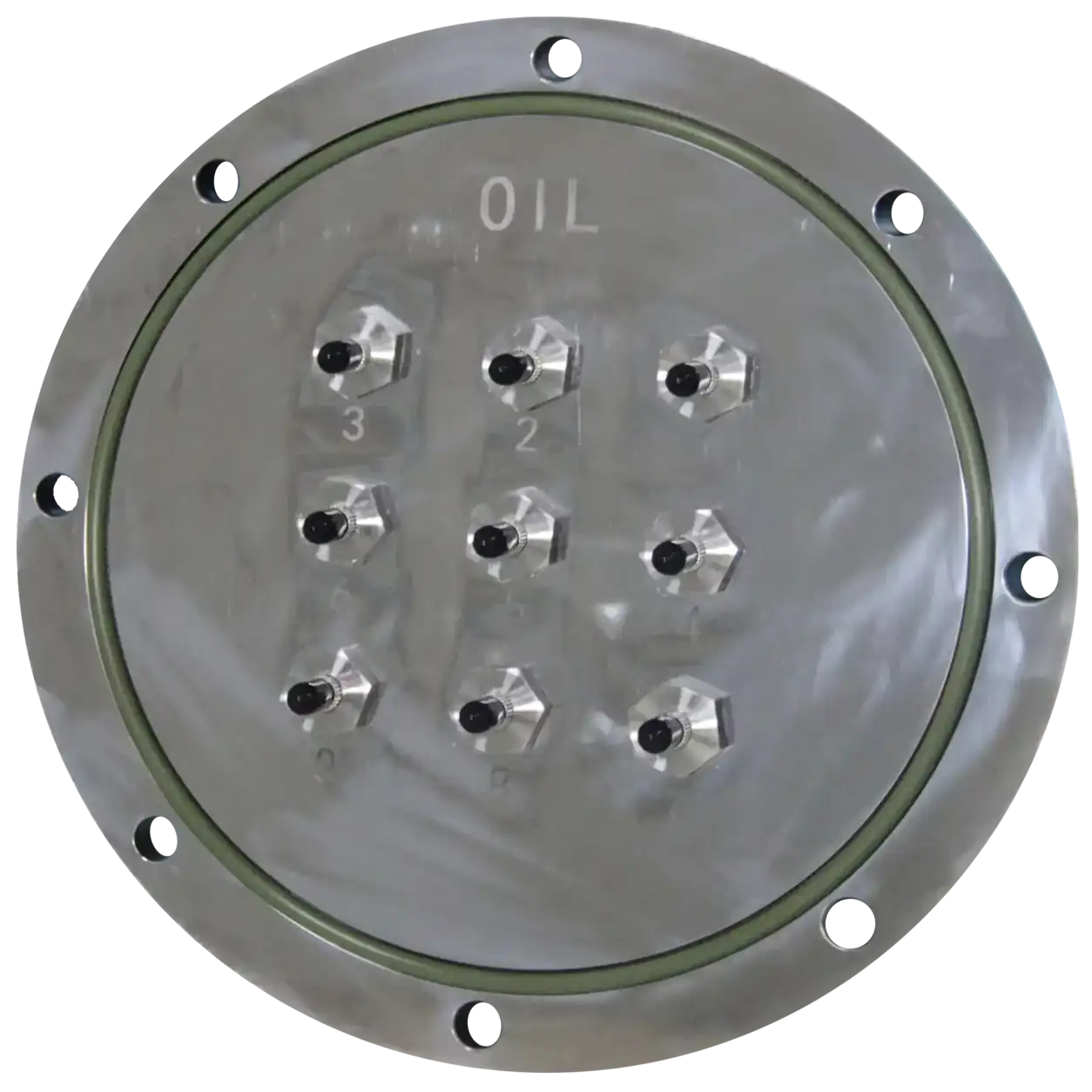
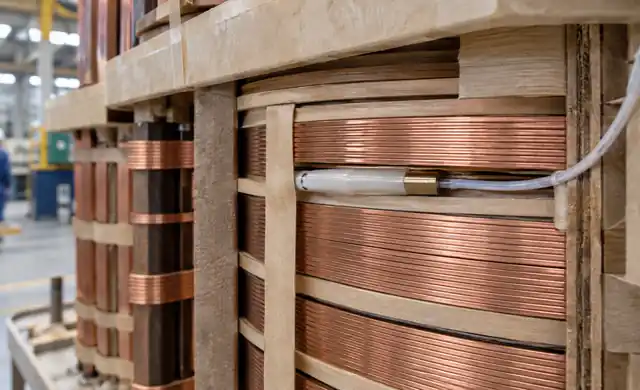
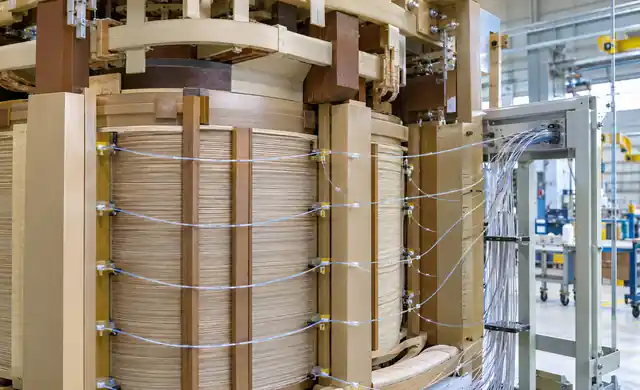
Fiber optic probes can be installed at selected winding hot spots during transformer manufacturing or major overhaul. Optical feedthroughs route the sensing fibers through the tank while maintaining electrical isolation.

Retrofit & Monitoring Integration

Retrofit & Monitoring Integration

Add fiber optic temperature channels at accessible measurement points or during planned maintenance, with outputs integrated into existing monitoring, PLC or SCADA systems.

ADDITIONAL TEMPERATURE MONITORING

Additional Transformer Temperature Monitoring Points

Extend transformer visibility beyond the winding with selected points and integrated monitoring outputs.

Terminal & Connection Temperature

Monitor selected terminals, joints and electrical connection points.

OLTC Temperature Monitoring

Monitor selected temperature points in the on-load tap changer compartment.

Cooling System Temperature

Monitor radiator, cooling circuit or other selected thermal points.

Monitoring System Integration

Integrate temperature data, alarms and communication with existing monitoring, PLC or SCADA systems.

DELIVERING CONFIDENCE AT EVERY STEP

Why Utilities, EPCs
and OEMs Choose INNO

Engineering Review

Application requirements and sensing points reviewed before configuration.

Application Tailoring

Probe construction, channel count and interfaces matched to the project.

Installation Support

Guidance for routing, mounting and system commissioning.

Reliable Delivery

Configured equipment prepared for the reviewed application.

Global Support

Technical communication for international project teams.

Clear Communications

Responsive coordination from review through delivery.

BUILT FOR PERFORMANCE

Why Fiber Optic Monitoring Fits Transformer Assets

Accurate Winding Insight

Direct point measurements at selected winding and component locations.

Electrical Isolation

A dielectric sensing path keeps conductive wiring away from the measurement point.

Immunity to EMI

Optical signals remain dependable around strong electromagnetic fields.

Reduced Maintenance Risk

Earlier temperature visibility supports planned inspection and maintenance.

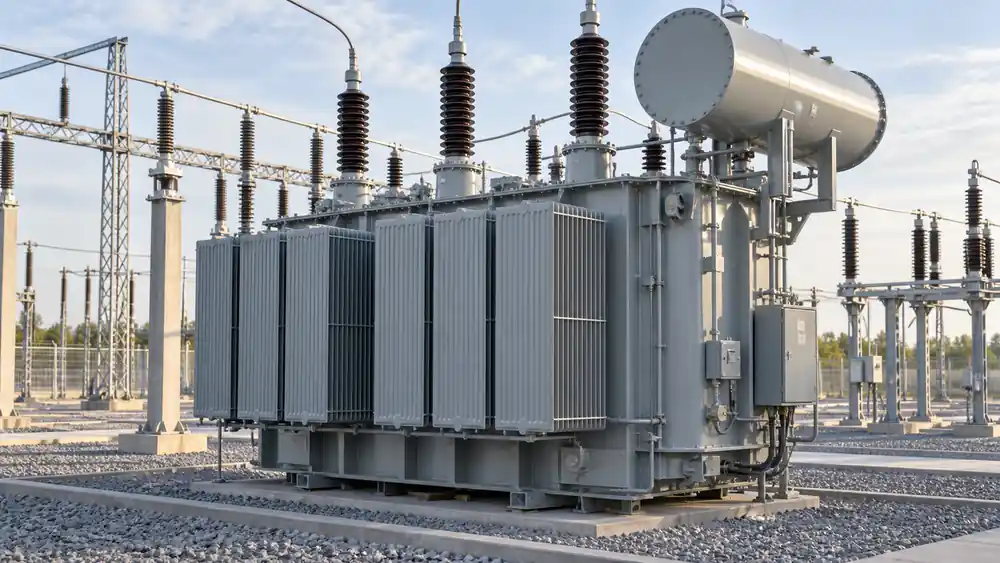
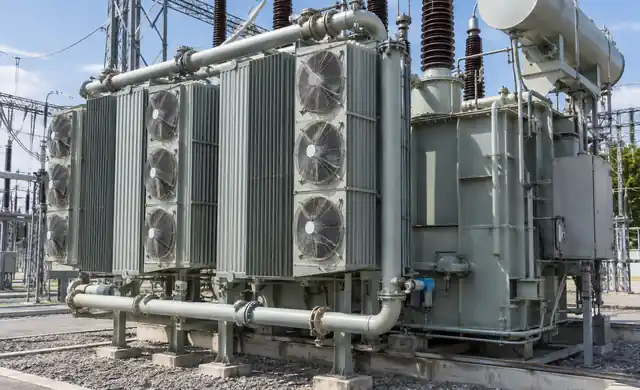
Oil-immersed power transformer in a substation

OIL-IMMERSED POWER TRANSFORMERS

Direct Winding Hot-Spot Insight

Fiber optic probes can be positioned at reviewed winding and structural locations for direct temperature visibility.

  • Measure selected winding and top-oil points
  • Support earlier response to abnormal heating
  • Track critical locations without a conductive sensing path
  • Coordinate temperature data with plant monitoring

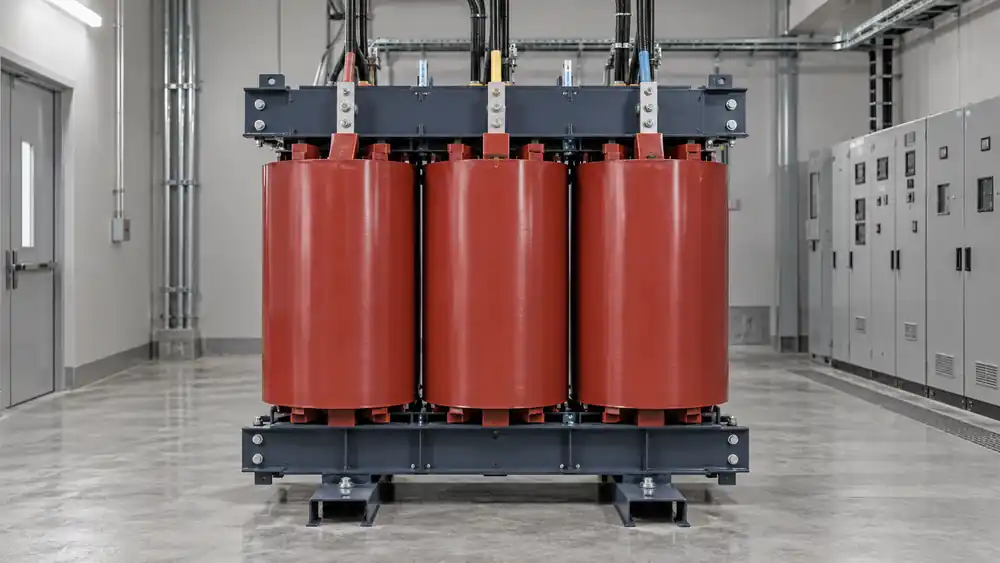
DRY-TYPE & DISTRIBUTION TRANSFORMERS

Visibility Where It Matters

Monitor temperatures around coils, busbars, terminations and connections to support safe operation and maintenance decisions.

  • Observe selected coil and core areas
  • Identify abnormal connection temperatures
  • Monitor busbars, lugs and cable joints
  • Support condition-based maintenance planning
Dry-type transformer in an electrical room

TYPICAL TRANSFORMER PROJECT SCENARIOS

New Transformer Builds

Plan sensing locations before final assembly and installation.

Substation Retrofits

Add temperature visibility while preserving reviewed installed assets.

Generator Step-Up Transformers

Observe critical winding and terminal temperatures in power-generation applications.

Repeatable Monitoring Configurations

Use consistent temperature point and channel structures across reviewed transformer projects.

TEMPERATURE MONITORING OBJECTIVES

What Transformer Operators Need to Know

Direct temperature data helps verify winding hot spots, cooling performance and thermal behavior under changing operating conditions.

Actual Winding Hot-Spot Temperature

1Actual Winding Hot-Spot Temperature

Measure temperature directly at selected winding locations instead of relying only on calculated values.

Temperature Rise Under Load

2Temperature Rise Under Load

Track how winding temperature changes as transformer loading and operating conditions vary.

Multi-Point Temperature Differences

3Multi-Point Temperature Differences

Compare selected measurement points to identify uneven or localized heating.

Cooling Performance

4Cooling Performance

Observe temperature changes before and after cooling stages to evaluate thermal performance.

Abnormal Temperature Trends

5Abnormal Temperature Trends

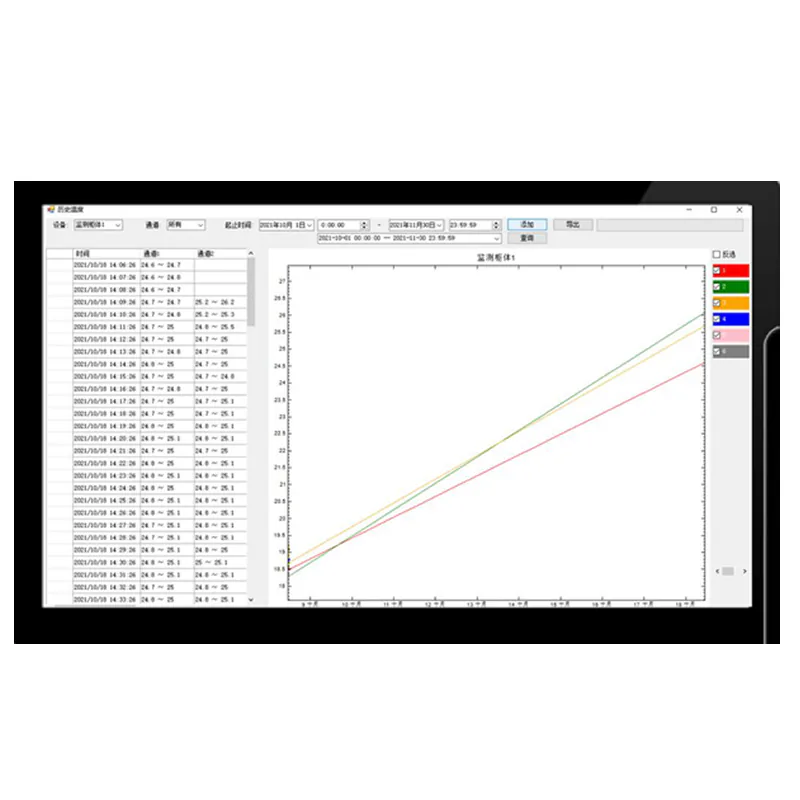
Use continuous temperature data and alarms to identify unusual thermal behavior.

Monitoring System Integration

6Monitoring System Integration

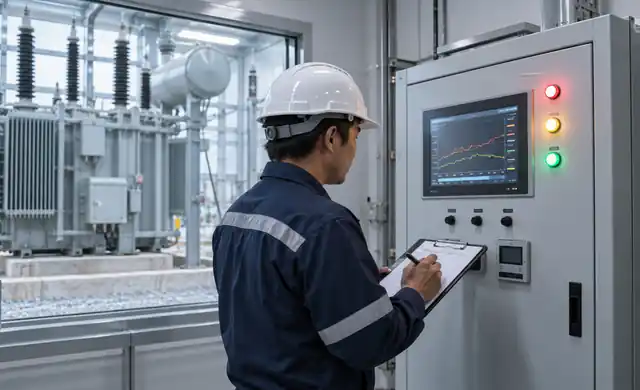
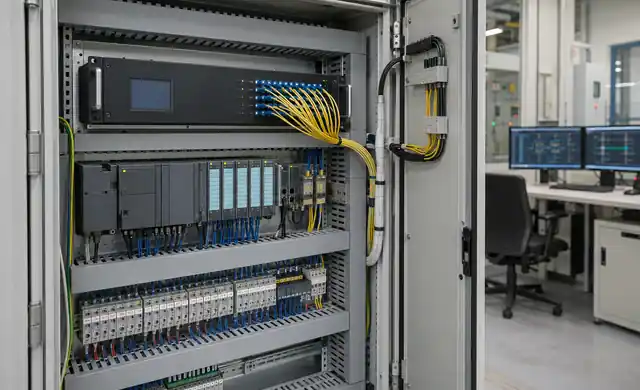
Send temperature values and alarms to local displays, monitoring systems, PLC or SCADA.

SOLUTION ARCHITECTURE

How the Monitoring Solution Fits Your Transformer

Fiber Optic Probes

1Fiber Optic Probes

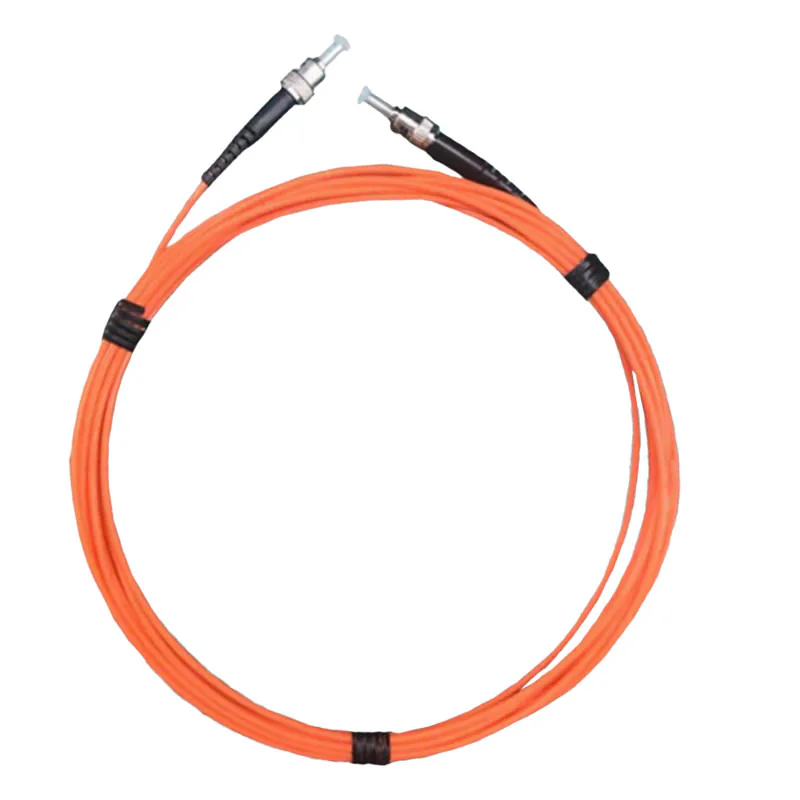
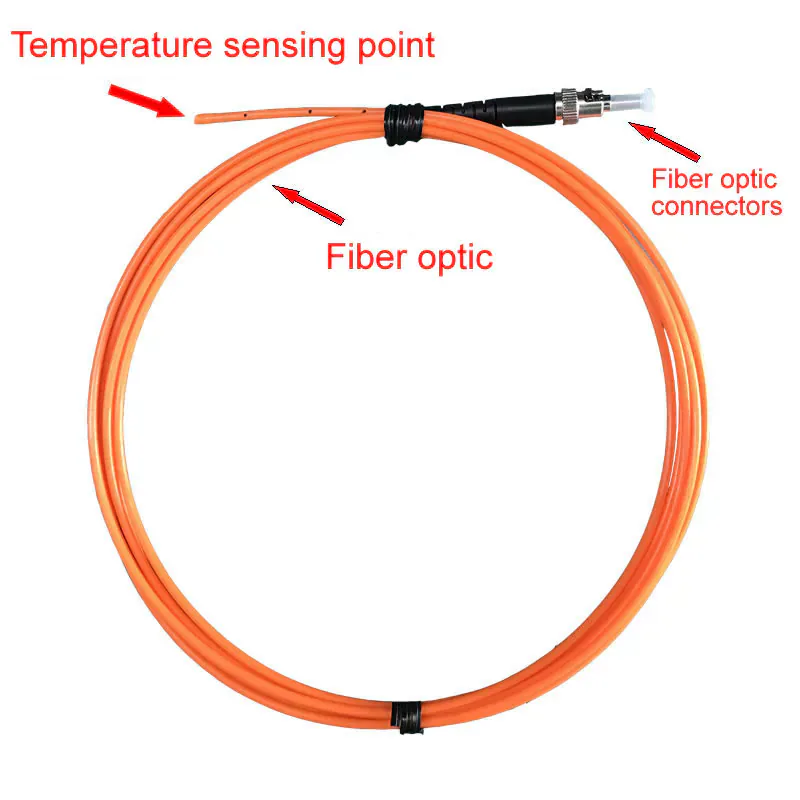
Place probes at reviewed internal or external temperature points.

Transmitter / Interrogator

2Transmitter / Interrogator

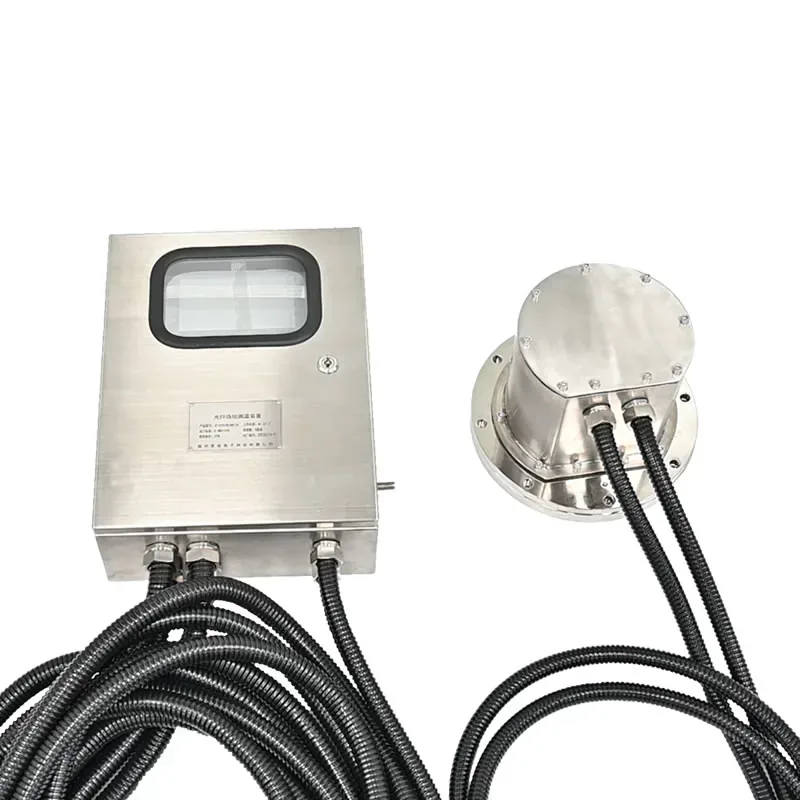
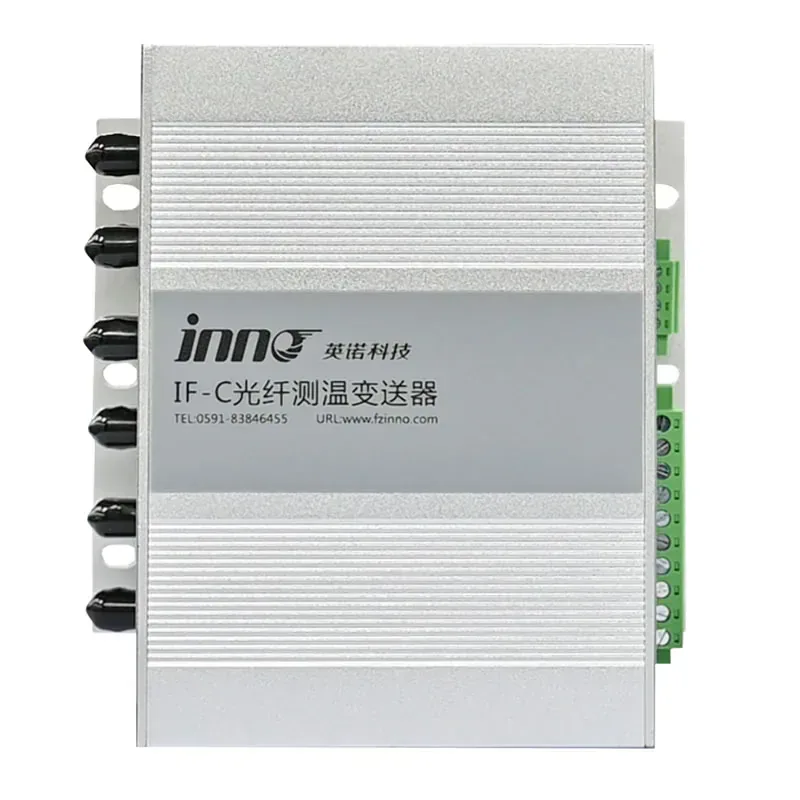
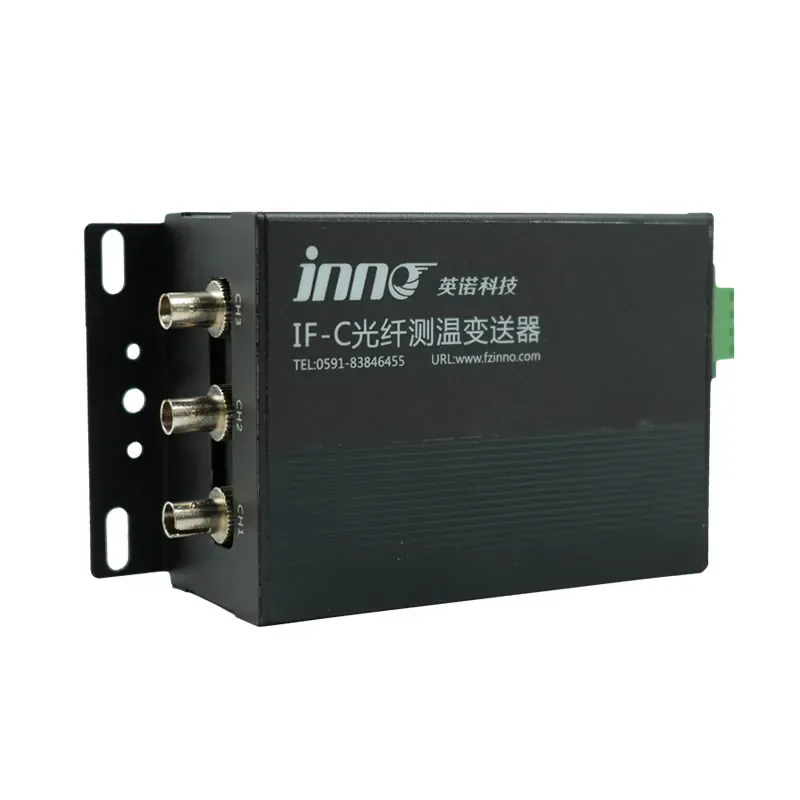
Convert optical signals into stable temperature values and outputs.

Local Display / Controller

3Local Display / Controller

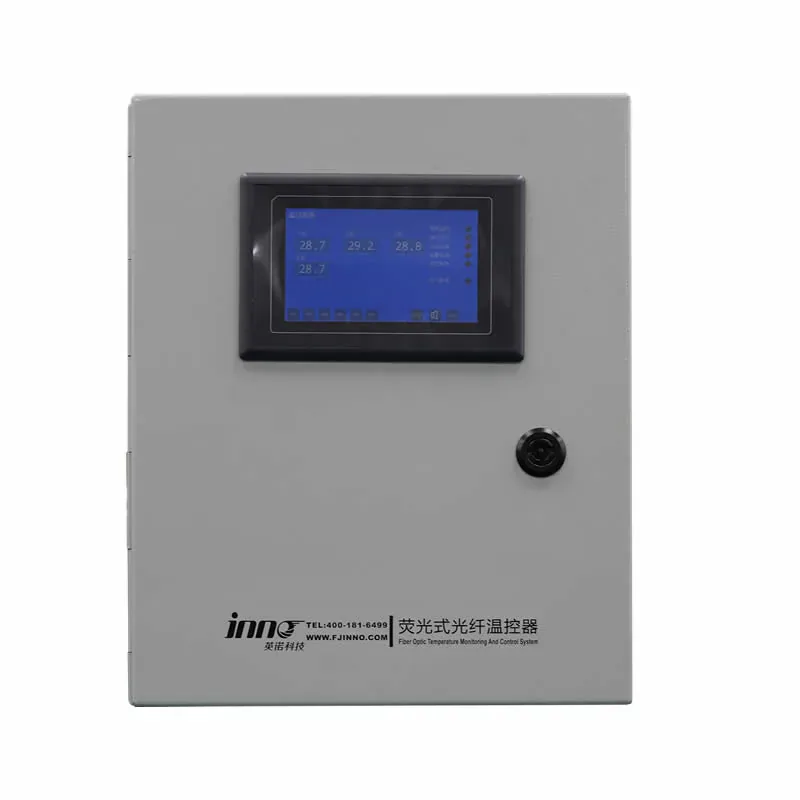
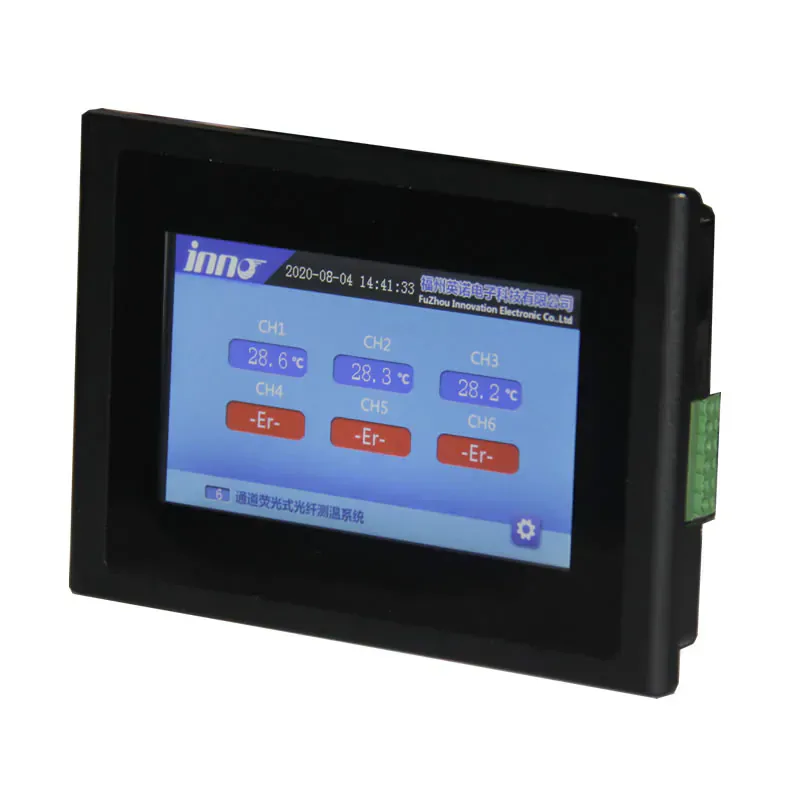
View temperatures, alarms and trends locally.

Plant Integration / SCADA

4Plant Integration / SCADA

Deliver reviewed data to a centralized monitoring workflow.

Documented Transformer Temperature Monitoring Cases

Review source-backed field records before planning a comparable dry-type transformer winding or controller installation.

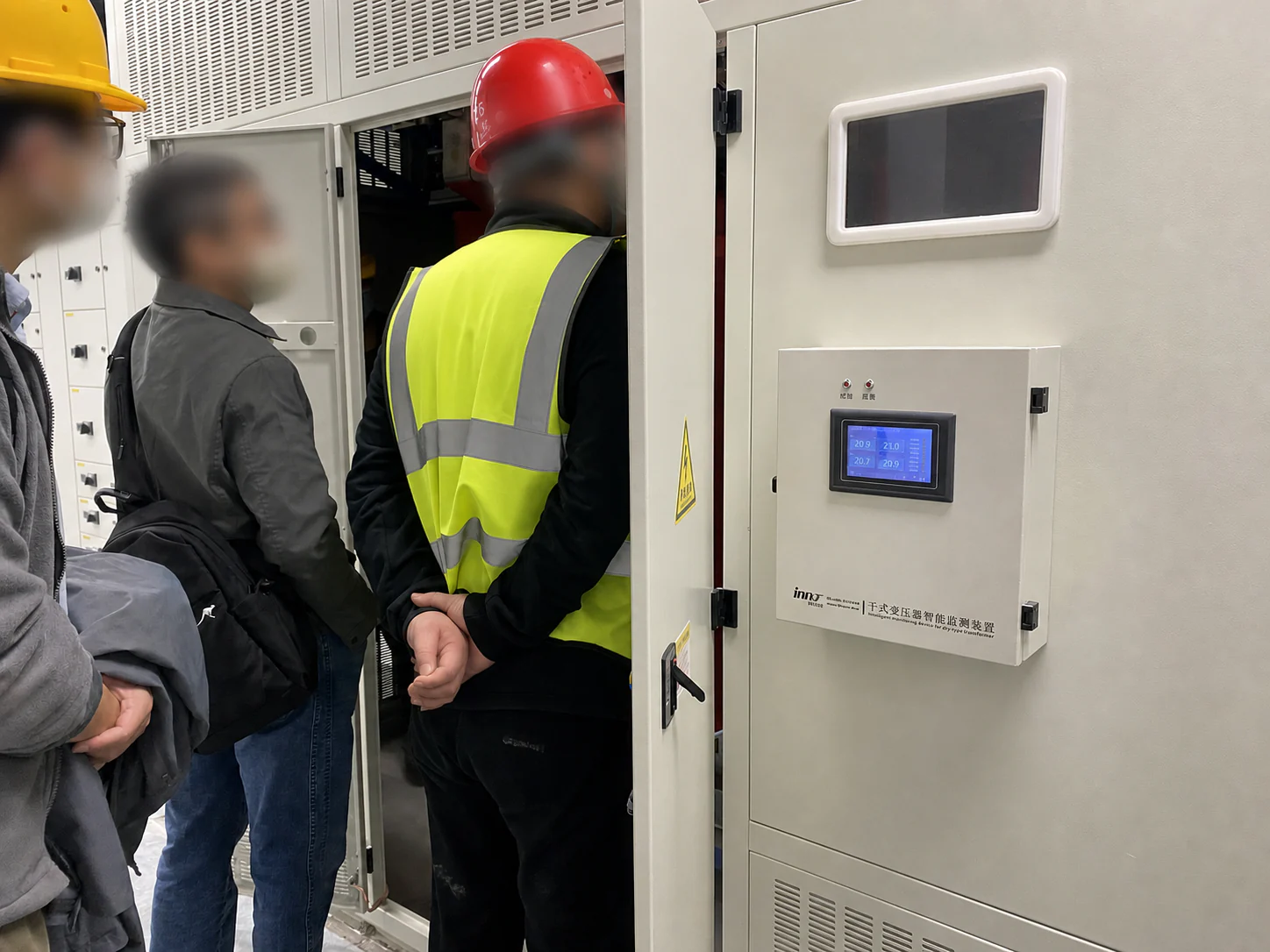
Transformer Controller Field Installation

Transformer Controller Field Installation

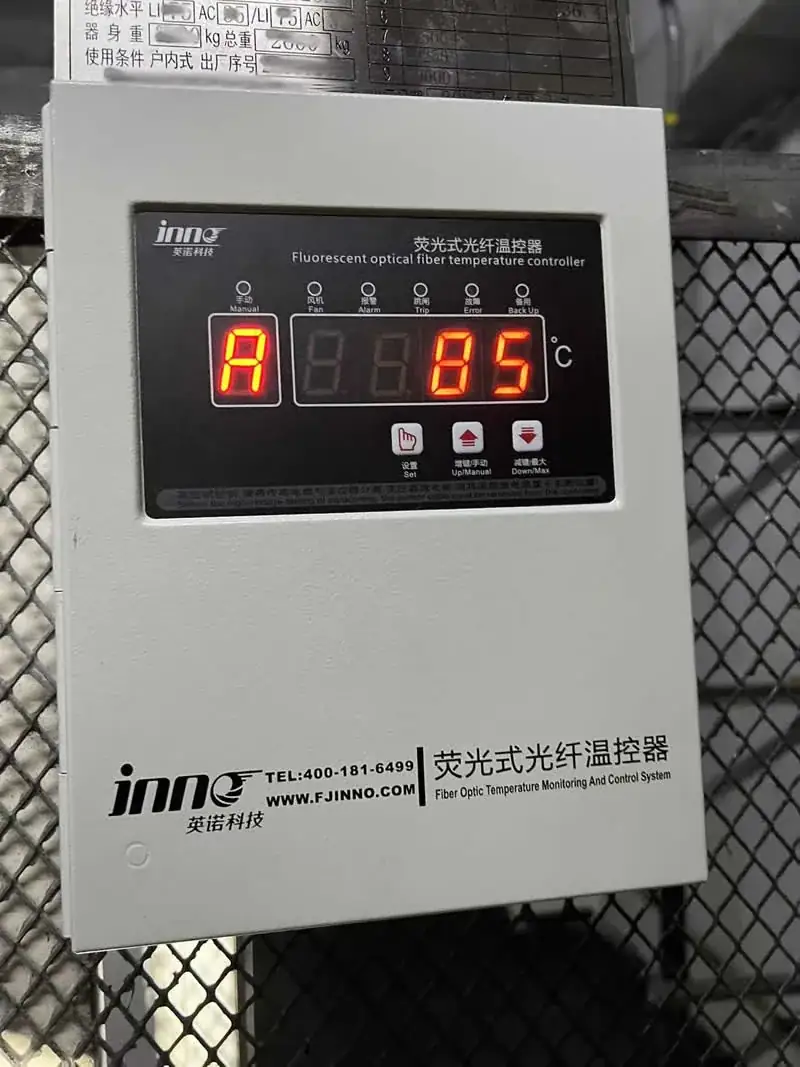
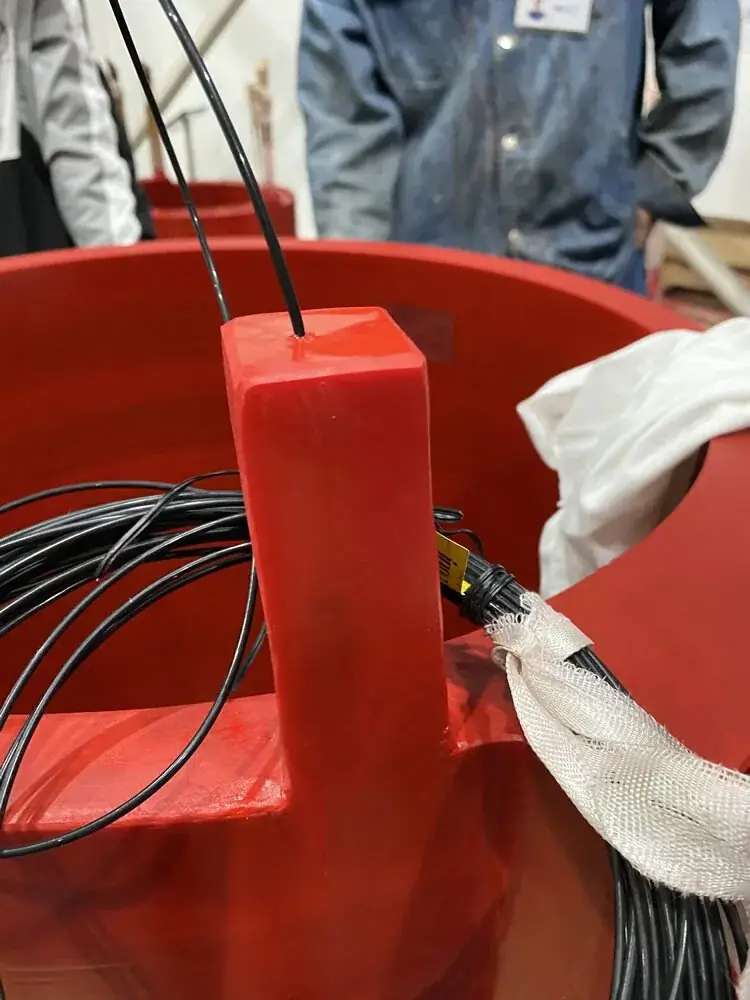
A documented local controller and alarm interface at a dry-type transformer installation.

Read documented case →
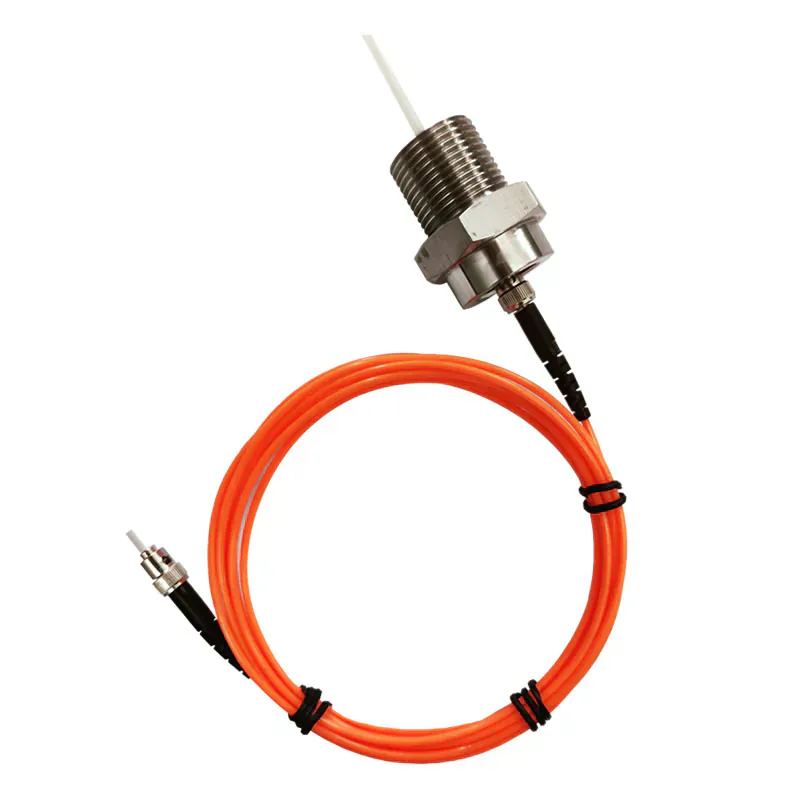
Dry-Type Transformer Winding Monitoring

Dry-Type Transformer Winding Monitoring

A documented probe-routing arrangement for direct winding temperature measurement.

Read documented case →
View all transformer case studies →

MEASUREMENT COMPARISON

Direct Measurement vs. Indirect Estimation

Indirect methods infer internal temperatures from load, oil temperature and thermal models. Direct fiber optic probes measure temperature at the selected point itself.

Direct Measurement

✓ Actual point temperatures

✓ Direct hot-spot visibility

✓ Independent of thermal models

✓ Supports earlier review

Indirect Estimation

× Based on models and assumptions

× May miss localized hot spots

× Affected by load changes

× Requires model validation

OPERATIONAL OUTPUTS

Monitoring Outputs

Earlier Warning

Maintenance Scheduling

Load Trend Review

Outage Risk Review

PROJECT REVIEW

Plan the Right Transformer Monitoring Solution

Share the transformer type, target locations and required outputs. Our engineers can review a sensing and monitoring approach around the actual application.

  • Application and risk review
  • Probe, channel and instrument selection
  • System integration and installation guidance
  • Commissioning and technical support planning
Send Us Your Project Inquiry

FAQ

Frequently Asked Questions

Discuss a Project →
What is fiber optic temperature sensing for transformers?

It uses passive optical probes to measure temperature directly at selected transformer locations while maintaining electrical isolation from the monitoring instrument.

Where can probes be installed?

Typical reviewed locations include windings, top-oil points, bushings, tap-changer areas, cooling circuits and cabinet connections. Final placement depends on transformer design and installation access.

Can the system be used for retrofit projects?

Yes. A retrofit can add selected temperature points and connect them to a compatible display, alarm or plant monitoring system after the existing equipment and interfaces are reviewed.

Can it connect to PLC or SCADA systems?

Compatible transmitters can provide reviewed communication or analog outputs for plant monitoring. The required protocol and point mapping should be confirmed during project review.

Which transformer applications are suitable?

The approach can be used for oil-immersed, dry-type, distribution, industrial and other transformer applications where direct, electrically isolated temperature data is needed.

What information is needed for a recommendation?

Share the transformer type, sensing locations, expected temperature range, number of points, routing distance and required display, alarm or communication outputs.

Discuss Transformer Temperature Monitoring

Share your transformer, sensing locations and monitoring requirements with an INNO engineer.

Contact Engineering →
Contact Engineering

Tell us about your application, or contact us directly by Email: info@innofj.com