
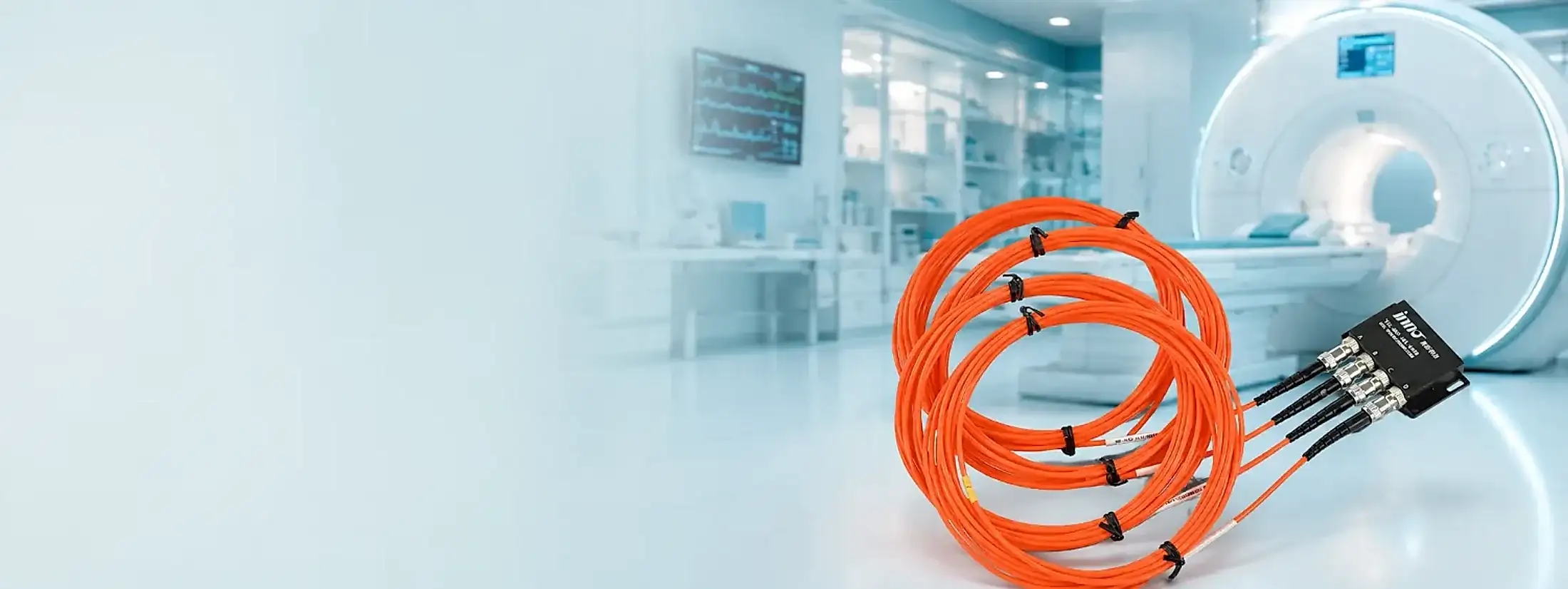
Medical & MRI Fiber Optic
Temperature Monitoring
Fluorescence fiber optic temperature sensing for reviewed MRI systems, medical devices, RF-sensitive equipment and electrically demanding laboratory environments.
Why Fiber Optic Temperature Sensors for Medical & MRI Systems?
Conventional electrical sensors can be affected by strong fields and RF energy. A passive optical sensing path supports reliable point-temperature data without conductive wiring at the measurement location.
Challenges in Medical & MRI Environments
- Magnetic interference: conductive sensors can disturb or be affected by strong-field setups.
- Electrical noise: EMI and RF energy can reduce measurement stability.
- Application safety: materials and installation require careful review.
- Limited access: sensing points may be compact or difficult to reach.
Advantages of INNO Fiber Optic Sensing
- Non-metallic sensing path: designed for reviewed strong-field applications.
- Electrical isolation: no conductive lead at the sensing point.
- EMI immunity: optical signal transmission resists interference.
- Stable point data: continuous temperature visibility with compatible instruments.
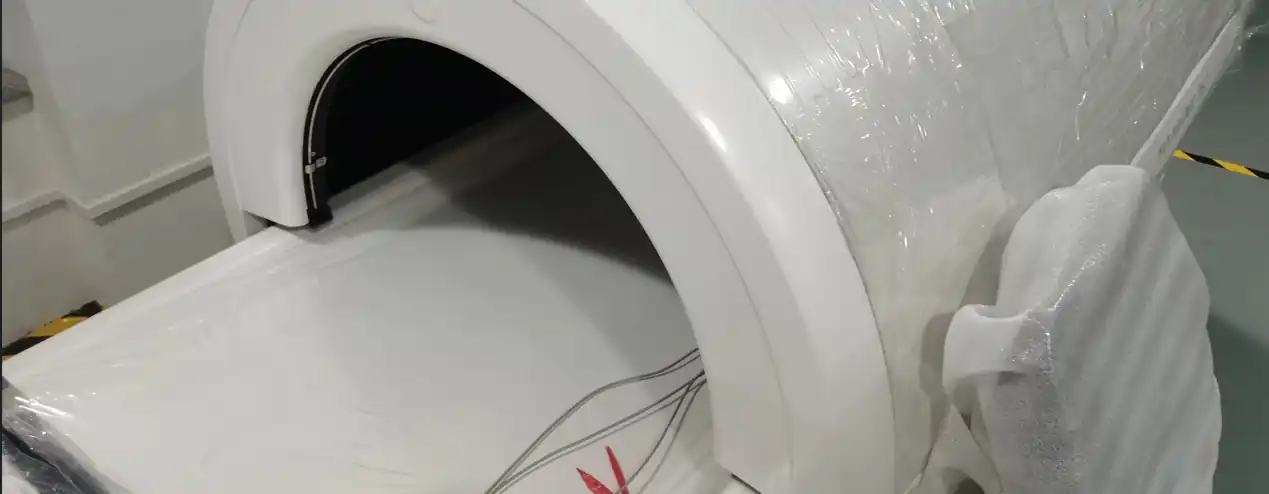
What Is Medical Fiber Optic Temperature Monitoring?
Medical fiber optic temperature monitoring uses passive optical probes to measure selected temperatures in MRI, RF, laboratory and specialized medical-equipment projects.
The probe response is interpreted by a compatible fluorescence instrument, supporting independent point measurements and centralized data review.
INNO Fluorescence Fiber Optic Temperature Monitoring Characteristics
INNO sensing components can be configured around the measurement point, material restrictions, routing distance and required system outputs.
- Non-conductive sensing at the reviewed point
- Electrical isolation from the monitoring instrument
- Resistance to EMI and RF interference
- Configurable probes, channels and interfaces
- Continuous multi-point temperature monitoring
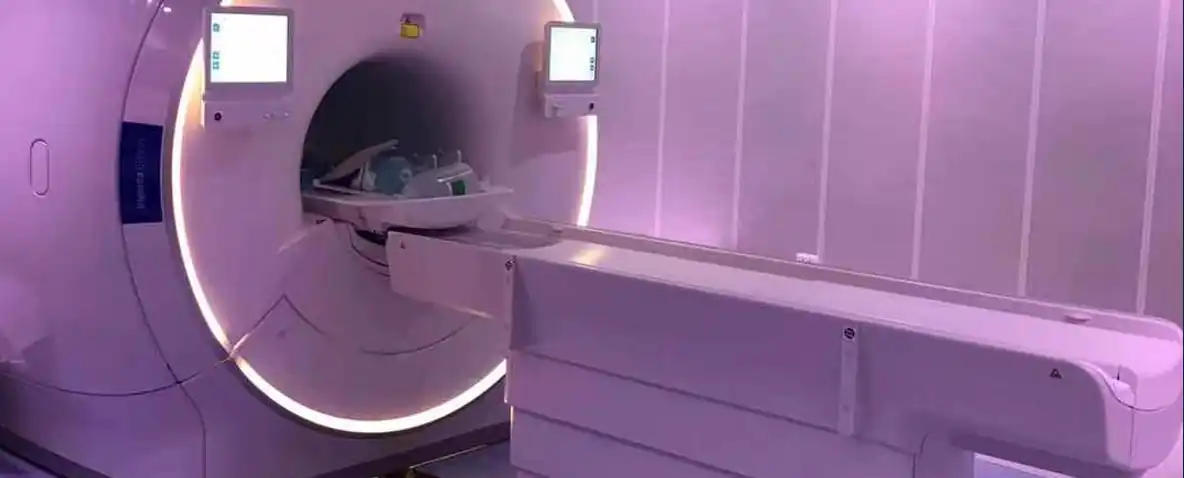
Typical Medical & MRI Monitoring Applications
Configure temperature monitoring around the equipment, measurement locations and validation objectives.
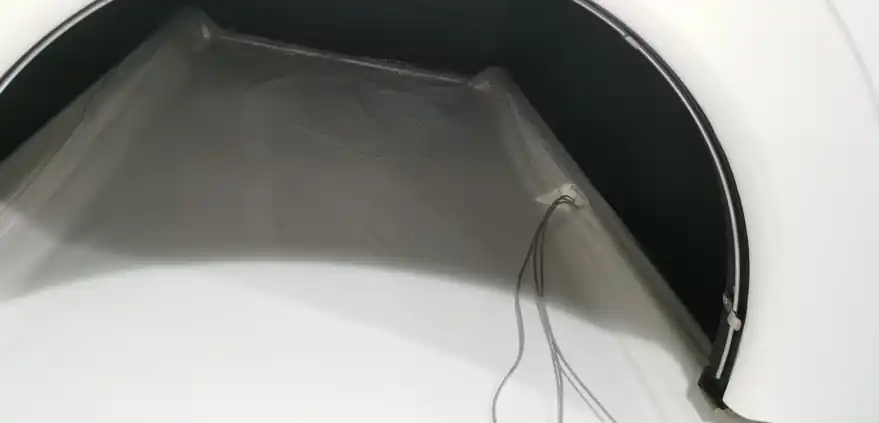
MRI Magnet & Gradient Coil Temperature Monitoring
Review magnet, shim-coil and gradient-coil locations where stable optical measurement is required.
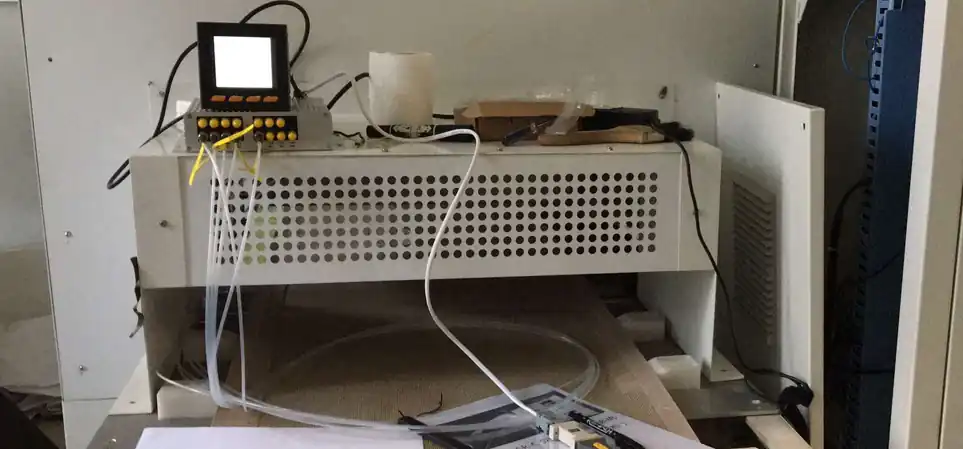
RF Power Amplifier Temperature Monitoring
Track selected thermal-risk points in RF amplifiers and transmission equipment.
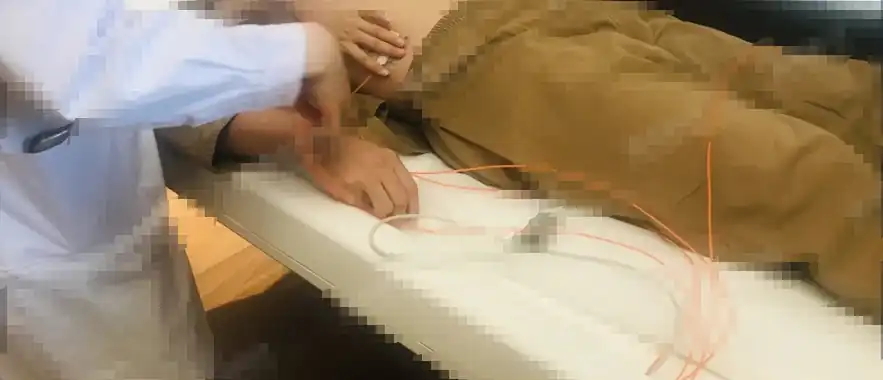
Hyperthermia & Ablation Equipment Monitoring
Support reviewed temperature measurement for thermal-therapy equipment development and validation.

Patient Warming & Diagnostic Systems
Measure selected surface and internal equipment locations without adding a conductive sensing path.
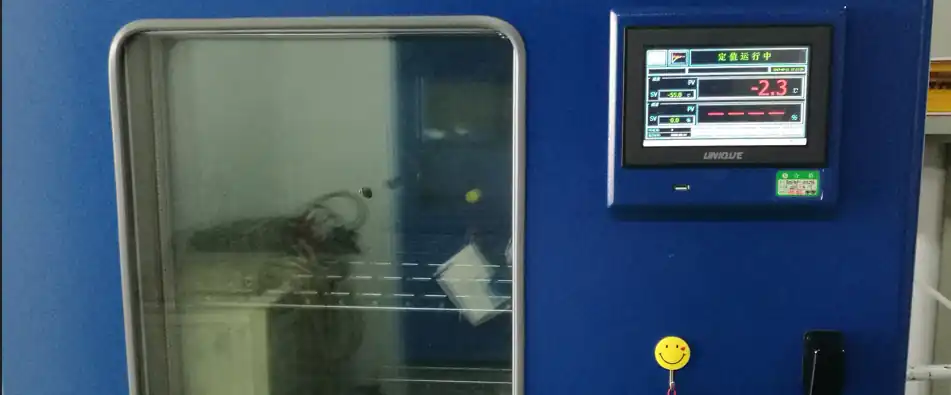
Laboratory & Sterilization Equipment Monitoring
Observe selected temperatures in autoclaves, incubators and laboratory instruments.

OEM Medical Device Thermal Validation
Collect repeatable temperature data during equipment design, verification and integration work.
How Fiber Optic Temperature Monitoring Supports Medical Equipment Safety
Direct optical measurements provide real-time data from selected hot spots without adding an electrical path at the sensing point. This supports thermal verification, abnormal-temperature detection and long-term trend review in sensitive equipment environments.
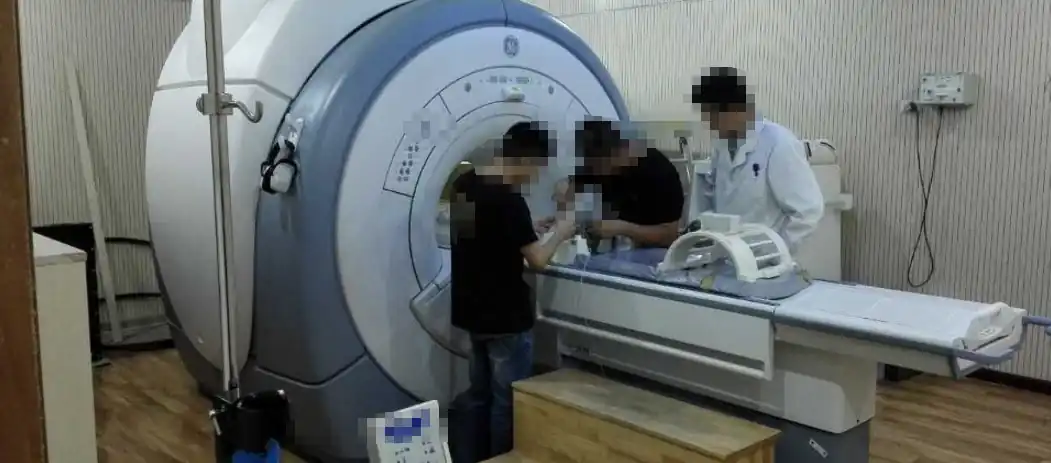
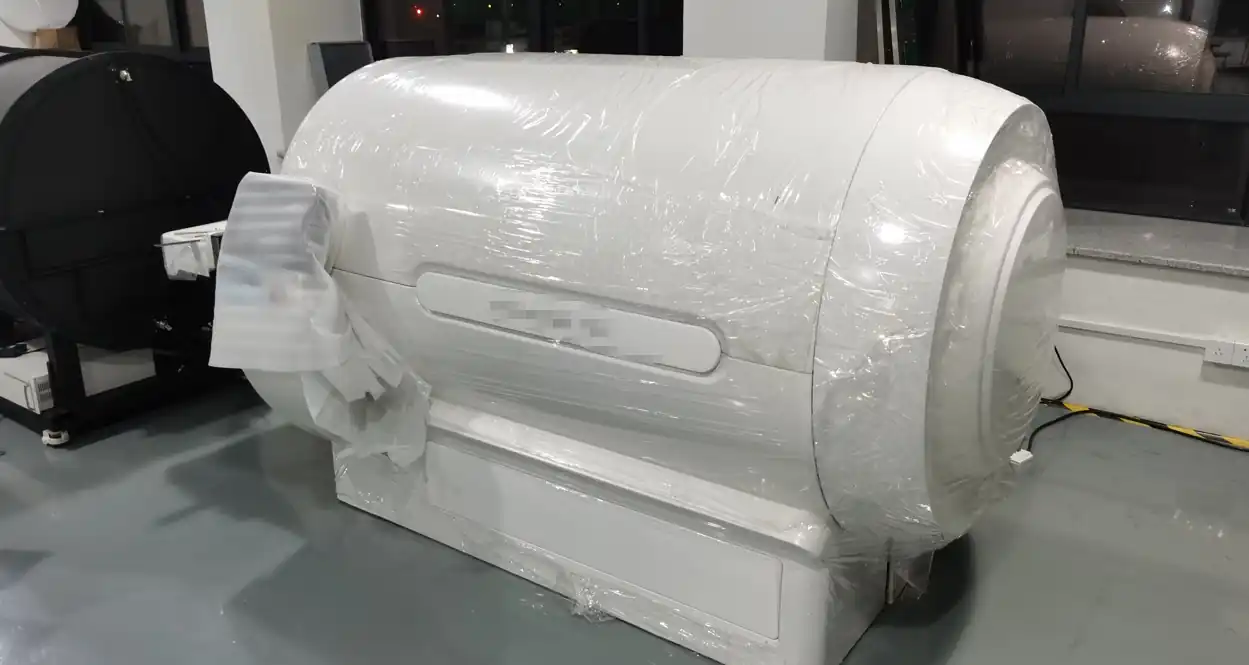
Key Benefits of Fiber Optic Monitoring Systems in MRI & Medical Environments
- EMI-resistant optical signal transmission
- Electrically isolated sensing locations
- Compact non-conductive probe options
- Accurate selected-point temperature visibility
- Independent multi-channel monitoring
- Configurable outputs for reviewed integration
Recommended Fiber Optic Temperature Sensors & Monitoring Systems
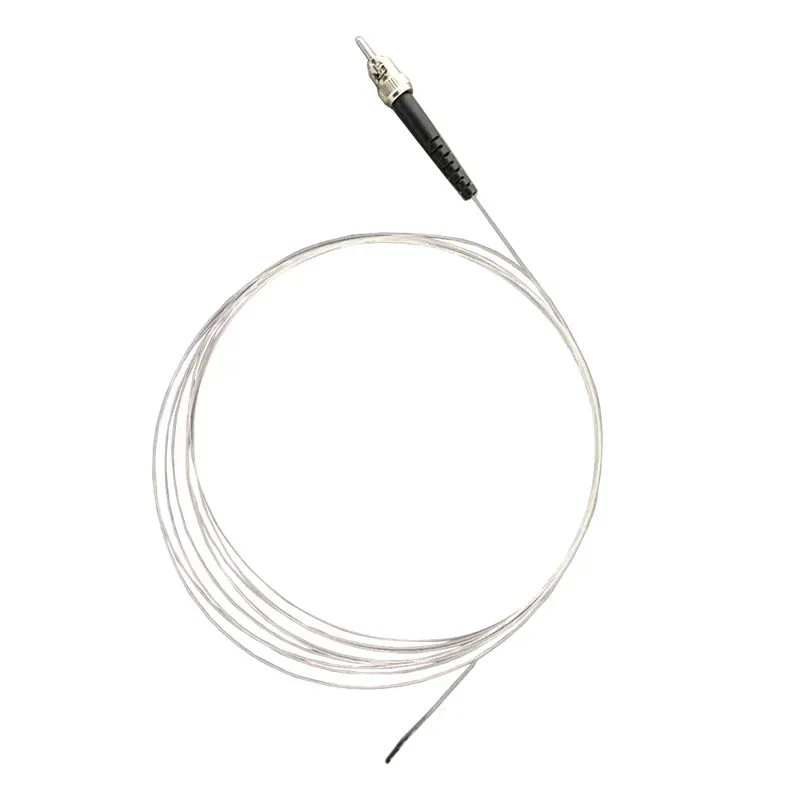
MRI & Medical Fiber Optic Temperature Probe
Non-conductive point temperature probe for MRI, strong magnetic fields, RF environments and electrically isolated medical measurement applications.
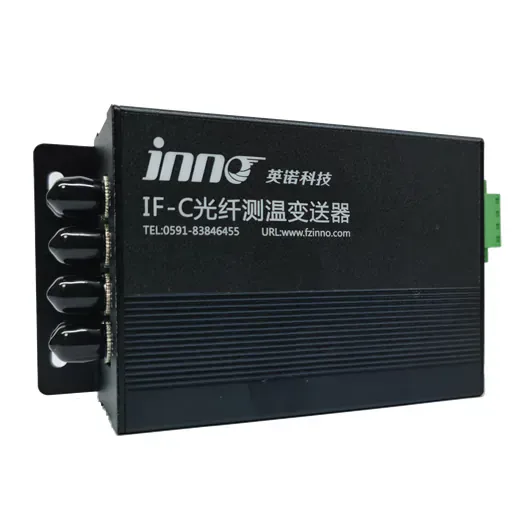
Fiber Optic Temperature Monitor for Medical Equipment
Multi-channel temperature measurement and monitoring for medical devices, test equipment and electrically isolated measurement points.
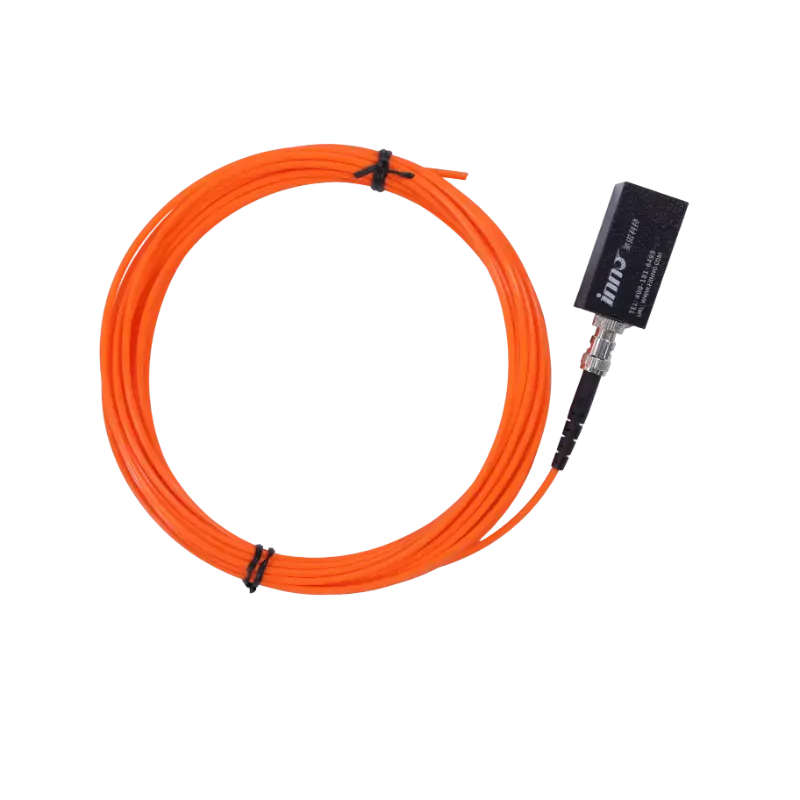
OEM Fiber Optic Temperature Module for Medical Devices
Configurable optical temperature sensing module for integration into medical equipment, diagnostic devices and custom measurement systems.
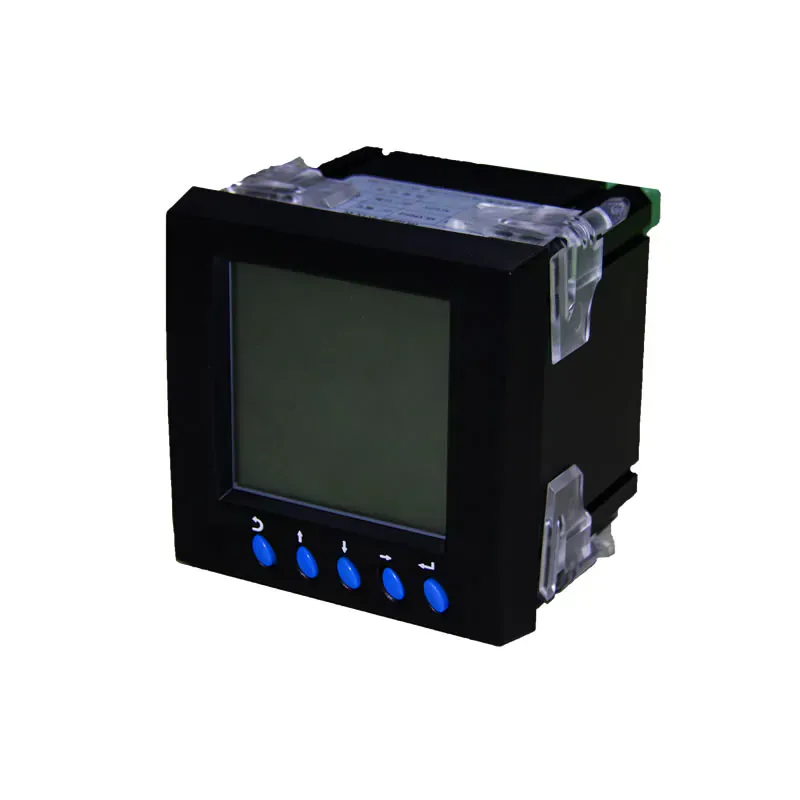
RF & Microwave Medical Temperature Monitoring Instrument
Fiber optic temperature monitoring for RF, microwave and other medical equipment where electrical interference and isolation are important.
Build the Right Fiber Optic Monitoring System for Medical Equipment
Review probe construction, channel quantity, monitoring interfaces and integration requirements with an INNO engineer.
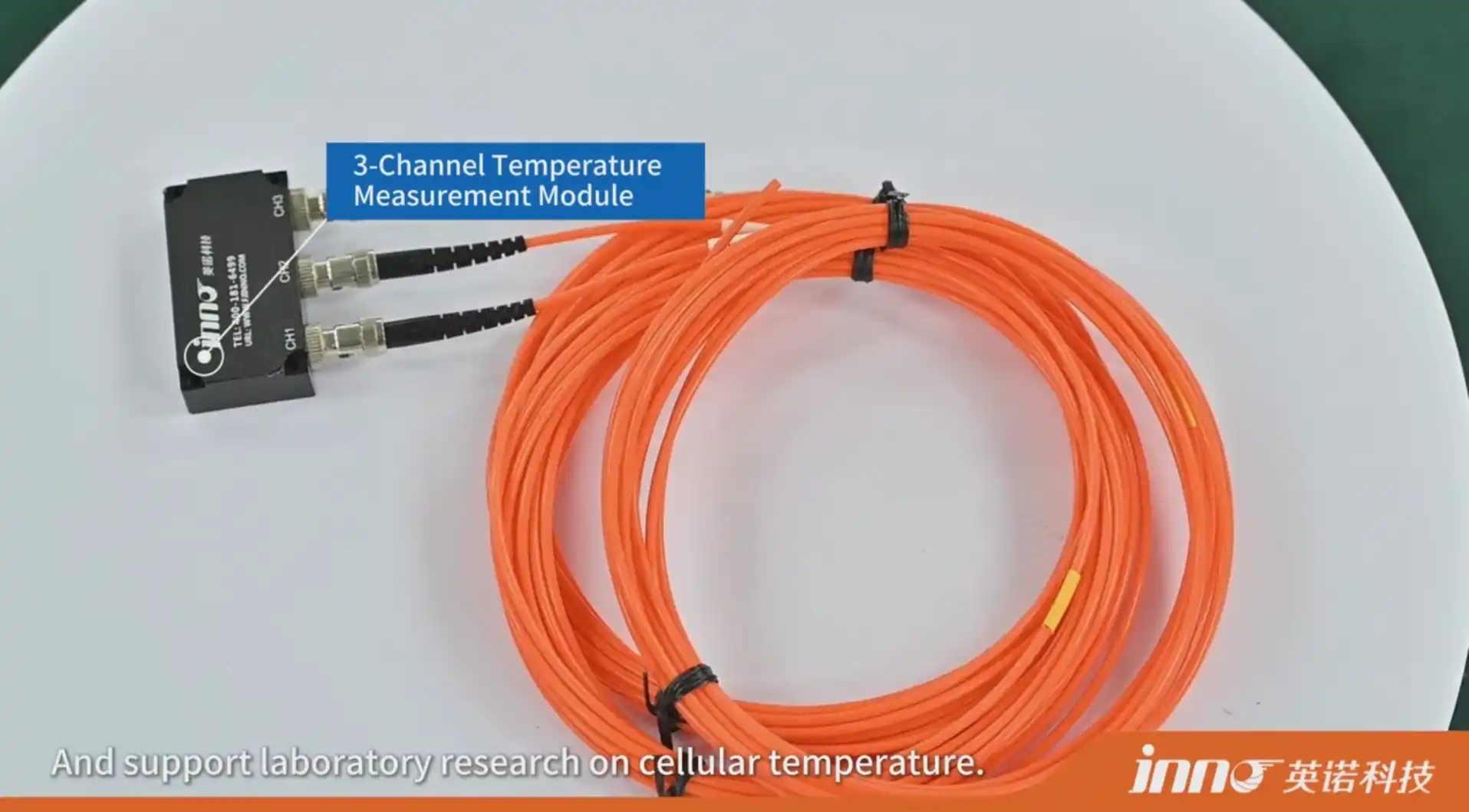
How INNO Supports Medical Device Integration
Project review can cover probe materials, compact installation, monitoring channels and compatible output interfaces.
Medical & MRI Fiber Optic Temperature Monitoring FAQs
Why are fiber optic temperature sensors used in MRI rooms?+
Their passive optical sensing path avoids conductive measurement wiring at the sensing point and is resistant to electromagnetic interference. The complete installation must still be reviewed for the equipment and procedure.
Can INNO sensors be used near strong magnetic fields?+
They can be configured for reviewed MRI, RF and strong-field measurement projects. Probe materials, routing and instrument placement must be confirmed for each application.
What medical equipment can be monitored?+
Potential applications include MRI equipment development, RF amplifiers, thermal-therapy equipment, patient-warming systems, sterilization equipment and OEM thermal validation.
Are the sensors electrically isolated?+
The sensing probe and optical path are dielectric. Compatible monitoring instruments remain outside or within the location defined by the reviewed system architecture.
Can the monitoring system support multiple channels?+
Yes. Compatible instruments are available for several independent sensing points. Channel count depends on the measurement plan.
Can the system integrate with our monitoring platform?+
Reviewed instruments can provide compatible analog or communication outputs. Required protocols, point mapping and alarm behavior should be confirmed.
Can INNO provide OEM customization?+
Project review can cover probe geometry, materials, fiber length, labeling, channel count, interfaces and mechanical integration.
What information is needed for an application review?+
Share the equipment type, measurement point, temperature range, accuracy requirement, available space, material restrictions, routing distance and required outputs.
Review Temperature Monitoring for Sensitive Medical Environments
Discuss a reviewed fiber optic sensing configuration for MRI, RF, laboratory or OEM equipment.