High-Voltage Test Laboratories
Acquire isolated, EMI-immune temperature data around energized test objects and laboratory equipment.
 info@innofj.comContact Engineering
HIGH-VOLTAGE TESTING SOLUTIONS
Electrically isolated temperature measurement for high-voltage test laboratories, transformer type tests, dielectric tests, impulse tests and R&D test benches.
HIGH-VOLTAGE TEST CONDITIONS
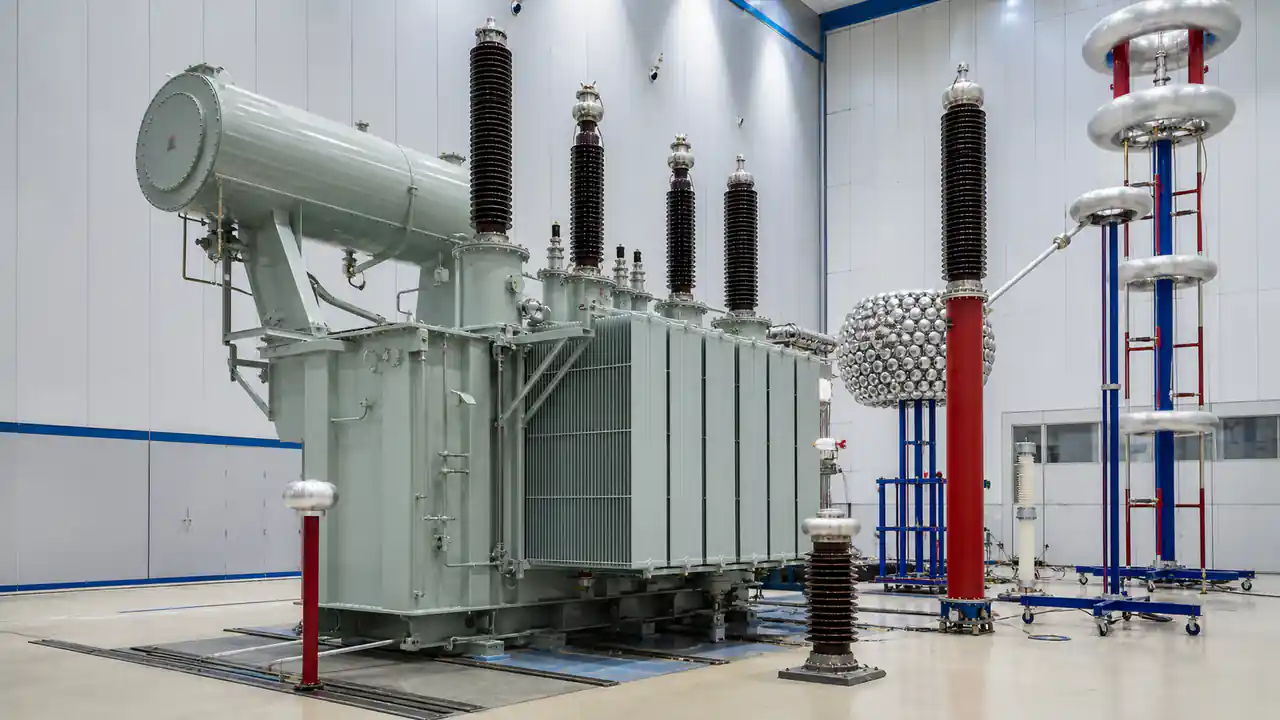
High-voltage tests expose equipment to electrical stress and intense electromagnetic interference. Fiber optic temperature sensors use light to measure selected points, providing an electrically isolated signal path where conventional electrical sensors may be unreliable.
The method supports transformer type and temperature-rise testing, dielectric and AC/DC withstand testing, impulse testing, cable and termination testing, GIS/GIL validation, reactor and inductor testing, and high-voltage R&D benches.

FIBER OPTIC SENSING FOR HIGH-VOLTAGE TESTING
Fiber optic point sensors provide electrically isolated temperature measurement in energized, high-field and electromagnetically demanding test environments.
MONITORING SYSTEM FUNCTION
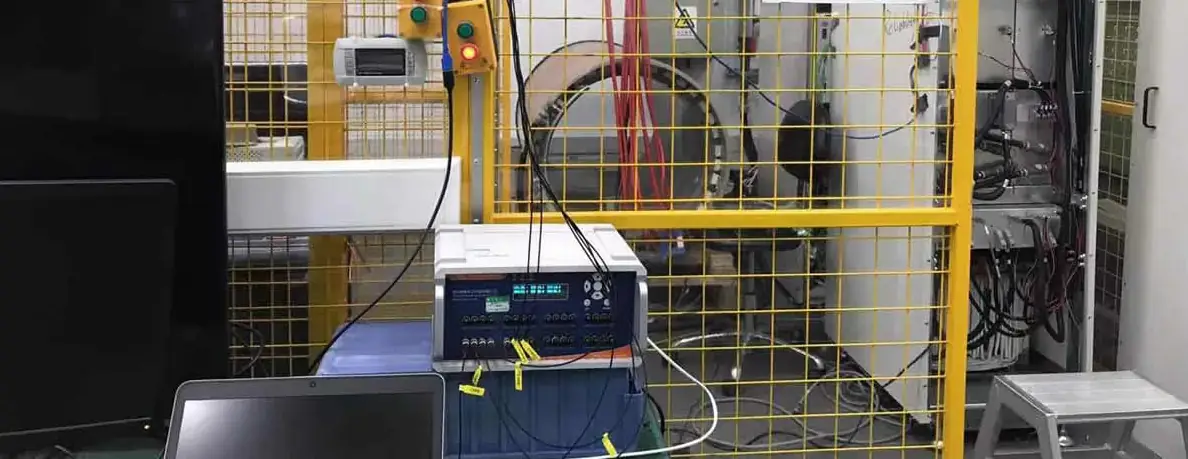
A coordinated monitoring system combines point probes with multi-channel acquisition, alarms, visualization and communication outputs.
HIGH-VOLTAGE TEST APPLICATIONS
Across high-voltage testing, optical point monitoring helps verify performance, protect equipment and document thermal behavior.
Acquire isolated, EMI-immune temperature data around energized test objects and laboratory equipment.
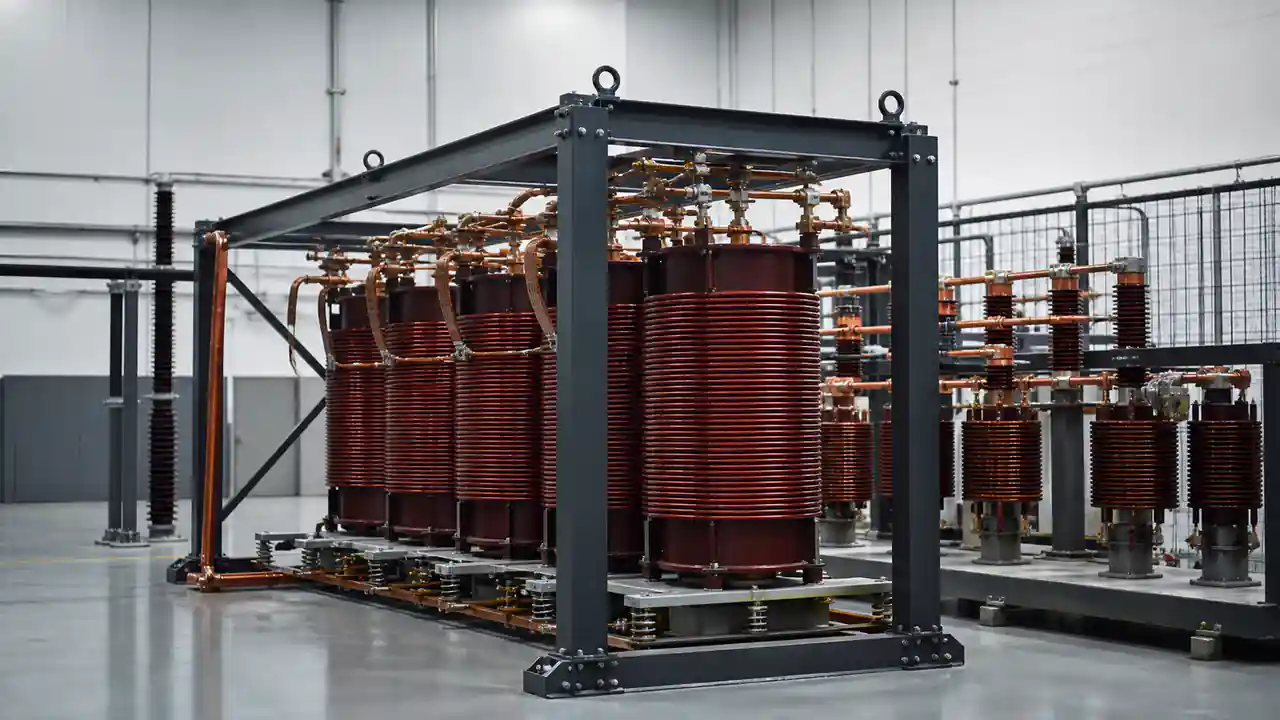
Monitor winding, lead, bushing and connection temperatures during transformer qualification programs.
Measure temperature without introducing a conductive sensor path during dielectric validation.
Instrument prototypes and test articles for repeatable development, comparison and performance review.
CONFIGURED AROUND THE TEST
TECHNICAL CHARACTERISTICS
Fluorescent sensing provides stable point-temperature data with an electrically isolated optical path for harsh test environments.
Direct fluorescence-based point measurement.
Stable optical transmission in strong fields.
No conductive measurement signal path.
Flexible fiber routing for reviewed spaces.
Real-time data for repeatable test review.
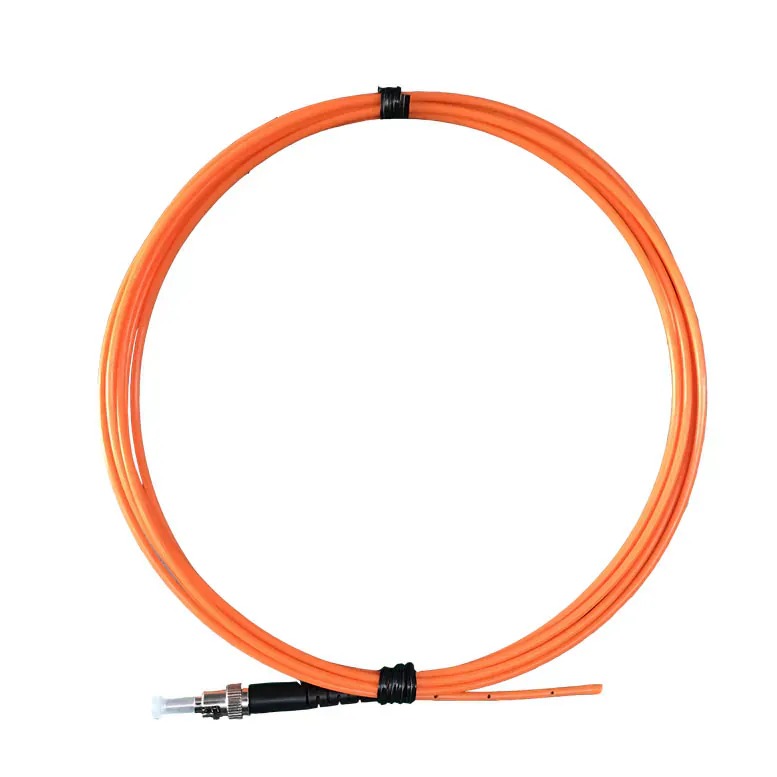
Flexible point probes for reviewed hot-spot measurement in high-voltage assets.
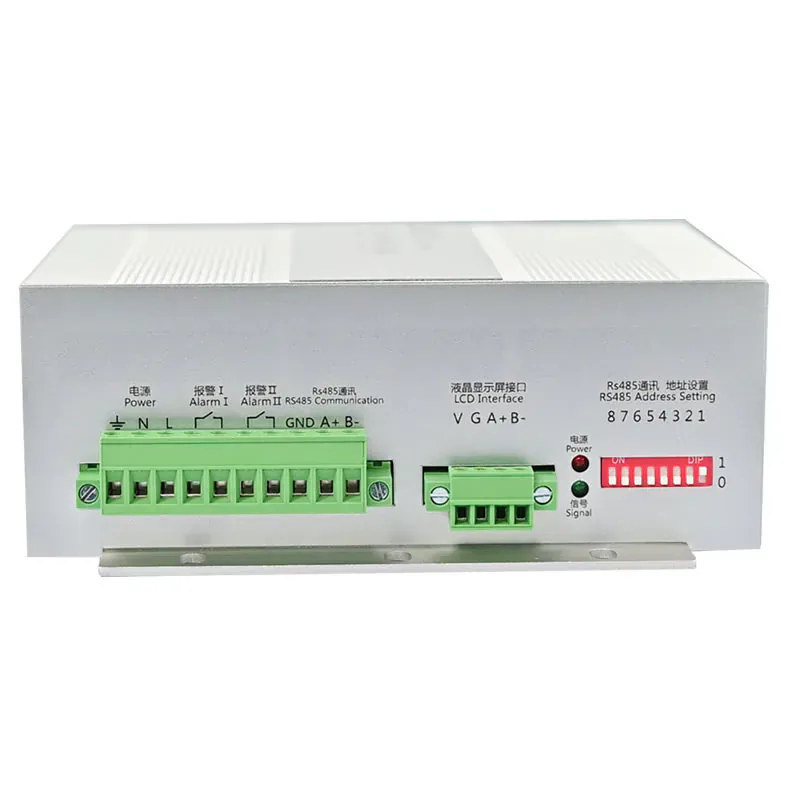
Multi-channel instruments that convert optical signals into real-time temperature data.
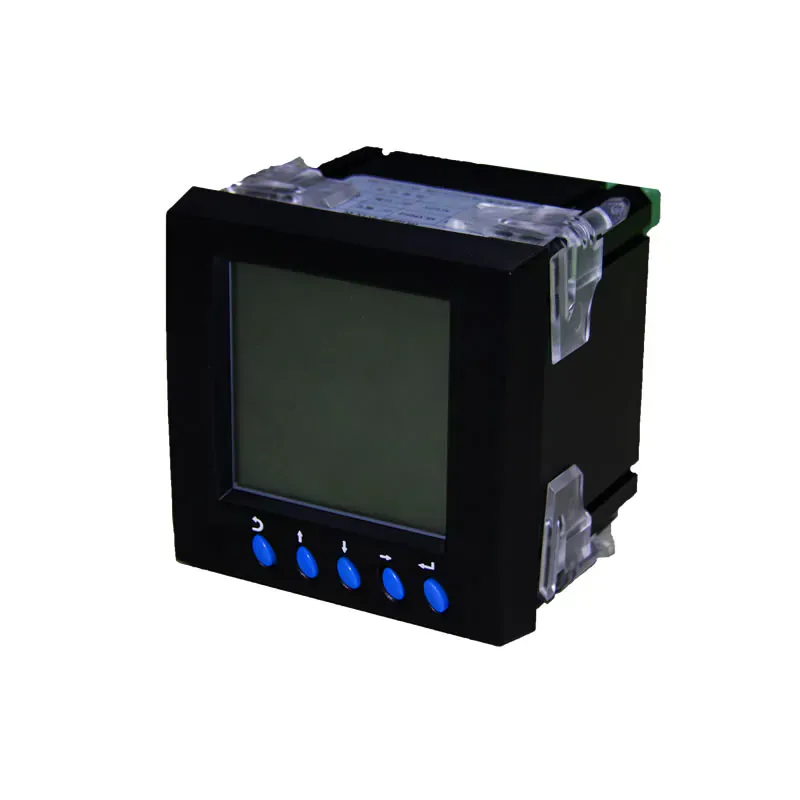
Integrated acquisition, visualization, alarms and data management for test programs.
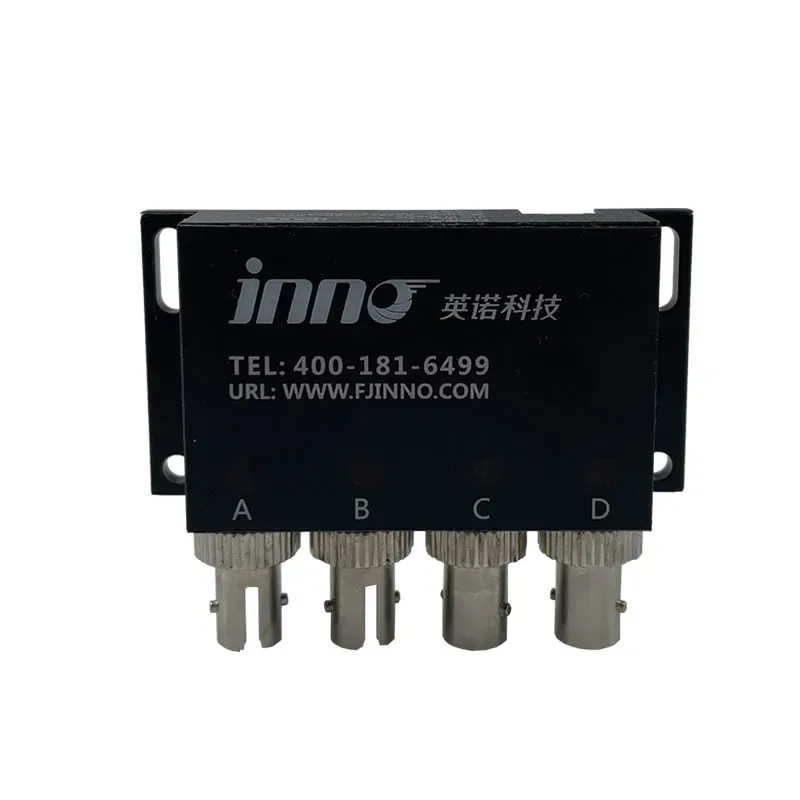
Compact modules for integration into test and monitoring equipment.
GET ANSWERS FAST
It uses passive optical point probes and a compatible fluorescence instrument to measure selected locations without an electrical signal path at the sensing point.
The optical signal is not affected by electromagnetic pickup in the way conventional electrical sensor wiring can be.
Typical reviewed points include windings, leads, joints, bushings, taps and terminations.
Compatible instruments can provide reviewed alarm, communication and data outputs for laboratory systems.
Response depends on the selected probe and instrument configuration; share the test requirements for confirmation.
The sensing path is optical and non-conductive, while the complete installation must still be reviewed for the test setup.
Yes. Compatible hosts can be selected around the required number of independent measurement points.
Provide the test object, target points, temperature range, channel count, fiber routing and interface requirements.
Share your high-voltage test setup and measurement requirements with our engineering team.
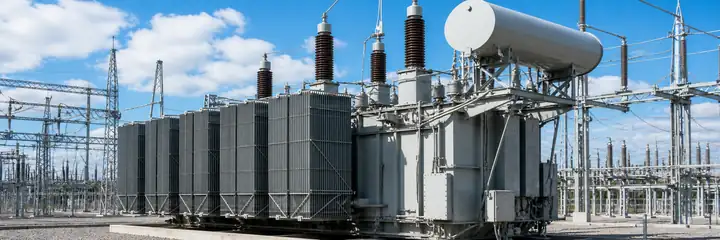 Transformers
 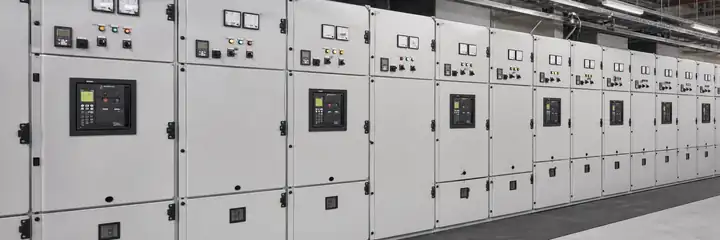 Switchgear
  Motors & Generators
 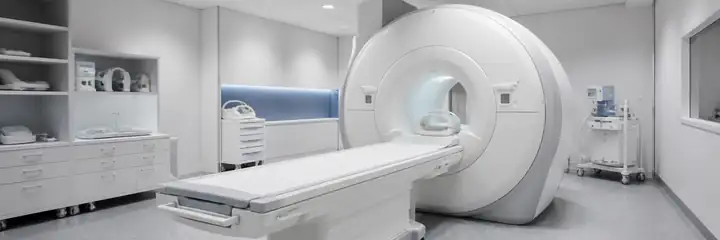 Medical / MRI